Obstetrics and Gynaecology: PCOS and Period Problems
PCOS (PMOS) and Period Problems: Treatment near Bangalore
Diagnosis and treatment for PCOS, PCOD and PMOS, irregular or heavy periods, white discharge and menopause problems
- 1 in 10Women affected by PCOS
- 8 AM to 4 PMGynaecology OPD
PCOS and periods
PCOS treatment near Bangalore
PCOS (polycystic ovary syndrome), also called PCOD and now renamed PMOS, is a common hormone condition that causes irregular periods, acne, extra facial hair, weight gain and difficulty getting pregnant. It affects about one woman in ten. It cannot be cured, but it can be controlled well, and our gynaecologists at SMSIMSR, near Bangalore, treat it every day.
This page also covers the period problems that bring most women to a gynaecologist: periods that are late, irregular or too heavy, white discharge, and the changes around menopause. Many of these have a simple cause that a blood test and an ultrasound scan can find.
The new name
PCOS is now called PMOS: what changed?
In 2026 PCOS was given a new name: polyendocrine metabolic ovarian syndrome, or PMOS. The condition, its diagnosis and its treatment have not changed. The new name reflects that it affects hormones and metabolism across the body, not only the ovaries, and that many women with it do not actually have cysts.
| Name | What it means | Where you will see it |
|---|---|---|
| PCOS | Polycystic ovary syndrome, the name used for decades | Most older reports and websites |
| PCOD | Polycystic ovarian disease, a term widely used in India for the same condition | Common in Indian clinics and searches |
| PMOS | Polyendocrine metabolic ovarian syndrome, the new name from 2026 | New guidelines and reports |
If your report says PCOS, PCOD or PMOS, it is the same condition and the same treatment applies.
Diagnosis
PCOS symptoms and how it is diagnosed
- Periods more than 35 days apart, fewer than eight a year, or none at all
- Acne, oily skin, or thick hair on the face, chest or tummy
- Thinning hair on the head
- Weight gain, especially around the waist, and dark patches of skin on the neck
- Difficulty getting pregnant
PCOS is diagnosed when two of these three are present, after other causes such as thyroid problems are ruled out: irregular or absent ovulation, signs of high male hormones (in symptoms or blood tests), and polycystic ovaries on ultrasound. Your doctor will also check your blood sugar and cholesterol, because PCOS raises the risk of diabetes.
Treatment
How PCOS is treated
Healthy weight and exercise
Losing 5 to 10 percent of body weight can bring back regular periods and ovulation. Aim for 150 minutes of activity a week.
Diet
Fewer refined carbohydrates and sugary drinks, more vegetables, pulses, protein and whole grains. No single “PCOS diet” is needed.
Regular periods
Birth control pills or a short course of progesterone protect the womb lining and control acne and hair growth.
Insulin resistance
Metformin may help weight, periods and blood sugar. Inositol supplements are popular, but the evidence for them is still limited.
Trying for a baby
Letrozole tablets to help ovulation, with follicular study scans; see our infertility clinic.
Skin and hair
Creams, medicines and hair removal methods for acne and excess hair.
Periods
Irregular, heavy and late periods
A normal cycle is 21 to 35 days, with bleeding for up to seven days. Cycles can be irregular for the first two years after periods start and in the years before menopause. Outside those times, periods that change, stop or become very heavy should be checked.
| Problem | Common causes | What we do |
|---|---|---|
| Late or missed period | Pregnancy, stress, weight change, PCOS, thyroid, breastfeeding | Pregnancy test first, then hormone tests and an ultrasound |
| Irregular periods | PCOS, thyroid, high prolactin, approaching menopause | Find and treat the cause; pills or progesterone to regulate |
| Heavy periods (menorrhagia) | Fibroids, polyps, adenomyosis, hormone imbalance, bleeding disorders | Haemoglobin check, ultrasound; medicines, a hormone coil, or hysteroscopy or surgery |
| Painful periods | Endometriosis, adenomyosis, fibroids | Pain relief, hormone treatment, keyhole surgery if needed |
| Bleeding after menopause | Thin lining, polyps, and sometimes cancer | Always checked with an ultrasound and often a biopsy or hysteroscopy |
White discharge: when is it normal?
A thin, clear or white discharge without smell or itching is normal and changes through the cycle. See a doctor if it becomes thick like curd and itchy (often a yeast infection), grey and fishy-smelling, yellow-green and frothy, blood-stained, or comes with pain or fever. These infections are easy to treat once the cause is known.
Menopause
Menopause care
Menopause is when periods stop for good, confirmed after 12 months without a period. In Indian women it usually happens in the late 40s. Hot flushes, night sweats, poor sleep, mood changes, vaginal dryness and joint pains are common in the years around it.
We help with symptoms through lifestyle advice, non-hormonal medicines and, where suitable, hormone treatment, and we check bone health, blood pressure, sugar and cancer screening. The department has run a CME on menopause care (“Mastering Menopause”). Any bleeding after menopause needs a check soon.
Our team
Gynaecologists for PCOS and periods
- Obstetrics and Gynaecology
Dr Namitha Bali
Associate Professor, Obstetrics and GynaecologyObstetrics and gynaecology - Obstetrics and Gynaecology
Dr Akkamahadevi C Hiremath
Assistant Professor, Obstetrics and GynaecologyGynaecological endoscopy (laparoscopy and hysteroscopy) and urogynaecology, including prolapse and urine leakage - Obstetrics and Gynaecology
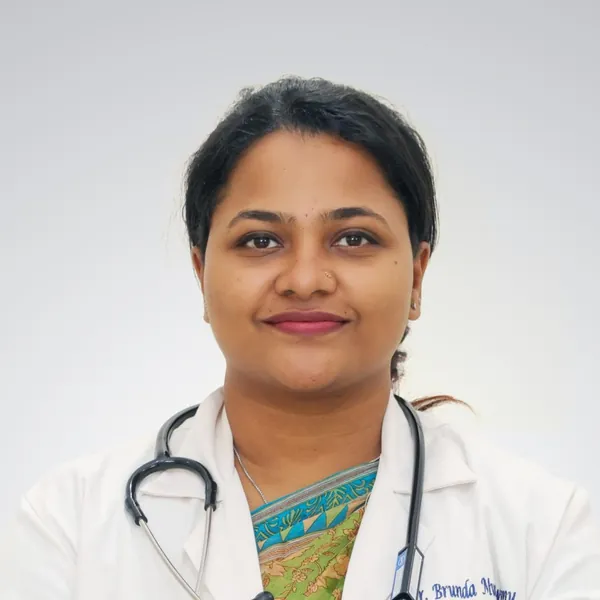
Dr Brunda Muniswamy
Assistant Professor, Obstetrics and GynaecologyHigh-risk obstetrics, colposcopy and cervical cancer screening, with interests in infertility, laparoscopy and foetal medicine - Obstetrics and Gynaecology
Dr Deepak Thakker
Head of Department and Professor, Obstetrics and GynaecologyObstetrics and gynaecology, and leadership of the department’s clinical and teaching work - Obstetrics and Gynaecology
Dr Padmasri R
Medical Superintendent and Professor, Obstetrics and GynaecologyHigh-risk obstetrics, emergency obstetric care, colposcopy and early detection of cervical cancer
Cost, insurance and schemes
Cost, insurance and schemes
Cashless insurance
SMSIMSR accepts most major private health insurance policies, with cashless treatment for eligible policies and no upfront deposit for approved, covered treatment. Partners include Star Health, Niva Bupa, Care Health, HDFC ERGO, ICICI Lombard, New India Assurance, United India, Oriental, National Insurance and TPAs such as Medi Assist, MD India, FHPL and Vidal Health.
Insurance and cashless treatmentInsurance help desk
Check your policy before admission. Bring your insurance e-card, photo ID (Aadhaar or Voter ID) and PAN card.
82174 16049Government schemes
Ask the insurance help desk which government health schemes apply to your delivery or treatment.
Location
How to reach us
Emergency, 24x7
In labour, bleeding in pregnancy, or severe pain in the tummy: come straight to the emergency department or call.
+91 92402 62107Address
Department of Obstetrics and Gynaecology, Sri Madhusudan Sai Institute of Medical Sciences and Research, Sathya Sai Grama, Muddenahalli, Chikkaballapur, Karnataka - 562101
Get directions (opens Google Maps in a new tab)OPD timings
8 AM to 4 PM
Drive times to SMSIMSR, Muddenahalli
| From | Distance | By car |
|---|---|---|
| Chikkaballapur town | About 7 km | 10 to 15 minutes |
| Kempegowda International Airport | About 25 km | 30 to 40 minutes |
| Devanahalli | About 30 km | 35 to 45 minutes |
| Doddaballapur | About 35 km | 45 to 60 minutes |
| Yelahanka | About 42 km | 50 to 60 minutes |
| Hebbal | About 52 km | About 1 hour 15 minutes |
| Central Bengaluru (Majestic) | About 60 km | 1 hour 30 minutes or more |
Approximate road distances. Travel time depends on traffic. Buses from Bengaluru to Chikkaballapur run via Hebbal, Yelahanka and Devanahalli.
Questions
Questions about PCOS and periods
What is PCOD?
PCOD (polycystic ovarian disease) is the name often used in India for PCOS, now renamed PMOS. It is a hormone condition in which the ovaries do not release an egg regularly, causing irregular periods, acne, extra hair, weight gain and sometimes difficulty getting pregnant. It is common and treatable.
What is the difference between PCOD and PCOS?
In practice there is none: doctors use both names for the same condition, and the treatment is the same. Some websites describe PCOD as a milder form, but medical guidelines do not separate them. In 2026 the condition was renamed PMOS.
Why was PCOS renamed PMOS?
The new name, polyendocrine metabolic ovarian syndrome, reflects that the condition affects hormones and metabolism across the body, including insulin and weight, not just the ovaries. Many women with it do not have cysts at all. The diagnosis and treatment have not changed.
Can PCOS be cured permanently?
There is no permanent cure, but symptoms can be controlled very well. Weight loss, exercise and diet often bring periods back to normal, and medicines treat acne, hair growth and ovulation. Symptoms often ease after 40, but the risk of diabetes stays, so regular check-ups matter.
Can I get pregnant with PCOS?
Yes. Most women with PCOS can get pregnant, though it may take longer. Losing a little weight, ovulation tablets such as letrozole and tracking ovulation with scans help most women. If you have been trying for a year, see a gynaecologist.
What should I do if my period is late?
Take a home pregnancy test first. If it is negative and your period does not come in a week or two, see a gynaecologist. Stress, weight change, PCOS and thyroid problems are common causes. Missing three periods in a row always needs a check.
When are heavy periods a problem?
If you soak a pad every one to two hours, pass clots larger than a coin, bleed for more than seven days, or feel tired and breathless from anaemia. Fibroids and polyps are common causes. A blood test and ultrasound find the cause, and treatment ranges from tablets to a small procedure.
Is white discharge normal?
A thin, clear or white discharge without smell or itching is normal. See a doctor if it becomes thick and itchy, grey and fishy-smelling, yellow-green, blood-stained, or comes with pain or fever. These are usually infections that clear quickly with the right medicine.
What are the symptoms of menopause?
Periods become irregular and then stop. Hot flushes, night sweats, poor sleep, mood changes, vaginal dryness and joint aches are common. In Indian women menopause usually comes in the late 40s. Bleeding after periods have stopped for a year always needs a check.
Does inositol help PCOS?
Some women find inositol helps periods and insulin resistance, but the evidence is still limited and the 2023 International PCOS Guideline does not recommend it as a main treatment. Talk to your doctor before starting it, especially if you are trying for a baby or taking metformin.
Last updated: 20 November 2026. Medical information on this page follows: WHO recommendations on antenatal care (2016) and on cervical cancer screening (2021); NICE guidelines NG201 (antenatal care), NG133 (hypertension in pregnancy), NG3 (diabetes in pregnancy), NG88 (heavy menstrual bleeding) and CG156 (fertility problems); RCOG and NHS patient information; the 2023 International Evidence-based Guideline for PCOS; FOGSI guidance. It does not replace a consultation with a doctor.