Obstetrics and Gynaecology: Maternity and Pregnancy Care
Maternity Hospital near Bangalore: Pregnancy and Delivery Care
Antenatal check-ups, scans, normal and caesarean delivery and newborn care, with a NICU and 24x7 emergency on the same campus
- NICUNewborn intensive care on campus
- 24x7Emergency department
Maternity care
Maternity care at a hospital near Bangalore
SMSIMSR is a maternity hospital in Muddenahalli, about an hour north of Bangalore, where obstetricians look after you from your first pregnancy test to your six-week check after birth. You get regular check-ups and scans, a normal delivery whenever it is safe, a caesarean when it is needed, and newborn intensive care on the same campus.
Our obstetricians aim for a normal (vaginal) delivery and advise a caesarean only for a clear medical reason. As a teaching maternity hospital, the department has studied its own caesarean rate using the Robson classification, the method the World Health Organization recommends for checking whether caesareans are being done for the right reasons.
Care goes beyond the medical checks. Dr Padmasri R and her team bring yoga into antenatal care and use music to help with pain in labour, and both are being studied at SMSIMSR. If anything goes wrong, the emergency department, operation theatres, intensive care and a newborn intensive care unit (NICU) are all on the same campus.
Antenatal care
Your antenatal check-ups and scans, week by week
Book your first antenatal visit as soon as you know you are pregnant, ideally before 12 weeks. The World Health Organization recommends at least eight antenatal contacts in a pregnancy. Most visits are short: a weight and blood pressure check, a urine test, the baby’s growth and heartbeat, and your questions.
| When | What happens | Why |
|---|---|---|
| Before 12 weeks | First visit: history, examination, blood tests (blood group, haemoglobin, sugar, thyroid, HIV, hepatitis B, syphilis), urine test, dating scan | Confirms the due date and picks up anaemia, diabetes and infections early |
| 11 to 14 weeks | NT scan and blood screening test | Checks the risk of Down syndrome and some other conditions |
| 18 to 22 weeks | Anomaly scan (level 2 scan) | Looks at the baby’s organs, spine, heart and limbs, and where the placenta lies |
| 24 to 28 weeks | Sugar test (glucose tolerance test), haemoglobin, tetanus-diphtheria (Td) vaccine | Picks up diabetes in pregnancy and anaemia |
| 28 to 36 weeks | Visits every 2 to 4 weeks; growth scan if needed | Checks the baby’s growth, your blood pressure and the baby’s position |
| 36 weeks to birth | Weekly visits; birth plan and pain relief discussed | Prepares you for labour and spots warning signs |
| After 40 weeks | Extra monitoring; induction of labour may be offered | Risks to the baby rise slowly after 41 weeks |
Your doctor may add visits or tests if your pregnancy needs closer watching. Scans are done in the hospital’s ultrasound department.
Giving birth
Normal delivery, caesarean and pain relief
Most women can have a normal delivery. A caesarean section is advised when labour or a vaginal birth would put you or your baby at risk. Your obstetrician talks through the options at your 36-week visit, and again in labour if things change.
| Normal (vaginal) delivery | Caesarean section | |
|---|---|---|
| What it is | The baby is born through the birth canal | The baby is born through a cut in the tummy and womb, under spinal anaesthesia |
| Usual hospital stay | 1 to 2 days | 3 to 4 days |
| Recovery | Most women are up within hours and back to light activity in 1 to 2 weeks | About 6 weeks; avoid lifting anything heavier than your baby |
| Common reasons | The default when mother and baby are well | Baby in a breech or sideways position, low-lying placenta, baby in distress, labour not progressing, some previous caesareans |
| Next pregnancy | Usually straightforward | A normal delivery after one caesarean (VBAC) is often possible; discuss it early |
Is painless delivery available?
Pain relief in labour ranges from breathing and movement, warm compresses and music to medicines and regional anaesthesia. SMSIMSR’s anaesthesia and obstetric teams have published a case series on giving labour pain relief with a nerve block (erector spinae plane block) in a rural hospital setting. Ask about pain relief at an antenatal visit so it can be planned.
What should I bring for delivery?
- Your antenatal card, scan reports and blood test reports
- Photo ID (Aadhaar or Voter ID) and your insurance card, if you have one
- Loose nightdresses, maternity pads, underwear and slippers
- Baby clothes, a cap, socks, soft cloths and a blanket
- Medicines you are taking, in their packets
After delivery
After delivery: you and your baby
After birth, nurses help you start breastfeeding within the first hour and check your bleeding, blood pressure and stitches. A paediatrician examines your baby before you go home. Babies who are born early or need extra care go to the NICU on the same campus.
Breastfeeding support
Help with latching and feeding before you go home. Breast milk alone is recommended for the first six months.
Newborn checks and vaccines
A full examination, birth-dose vaccines and newborn screening before discharge.
Recovery after a caesarean
Walk the day after surgery, keep the wound clean and dry, and eat protein, fruit and fibre to help healing and avoid constipation.
Postnatal check-up
A check at about six weeks for you, with advice on family planning, including tubectomy or other methods.
Come to the emergency department at once if after delivery you have:
- Heavy bleeding, soaking a pad in an hour, or large clots
- Fever, or a foul-smelling discharge
- A severe headache, blurred vision or fits
- Pain, redness or swelling in one leg, or sudden breathlessness
- Thoughts of harming yourself or your baby
In pregnancy
When to come to the hospital during pregnancy
Do not wait for your next visit. Come to the emergency department if you have:
- Bleeding from the vagina at any stage of pregnancy
- Water leaking or gushing from the vagina
- Your baby moving less than usual, after 28 weeks
- Severe headache, blurred vision, or swelling of the face and hands
- Severe or constant pain in the tummy
- Fits, fainting, fever or burning when passing urine
- Regular painful contractions before 37 weeks
Is your pregnancy high risk?
If you have high blood pressure, diabetes, anaemia, twins, a previous caesarean or a past pregnancy loss, see our high-risk pregnancy page for the extra care we provide.
Obstetricians
Obstetricians at our maternity hospital
- Obstetrics and Gynaecology
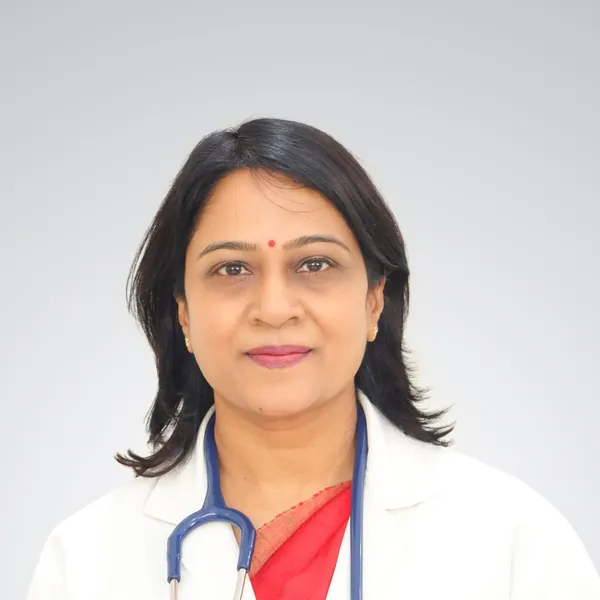
Dr Padmasri R
Medical Superintendent and Professor, Obstetrics and GynaecologyHigh-risk obstetrics, emergency obstetric care, colposcopy and early detection of cervical cancer - Obstetrics and Gynaecology
Dr Deepak Thakker
Head of Department and Professor, Obstetrics and GynaecologyObstetrics and gynaecology, and leadership of the department’s clinical and teaching work - Obstetrics and Gynaecology
Dr Namitha Bali
Associate Professor, Obstetrics and GynaecologyObstetrics and gynaecology - Obstetrics and Gynaecology
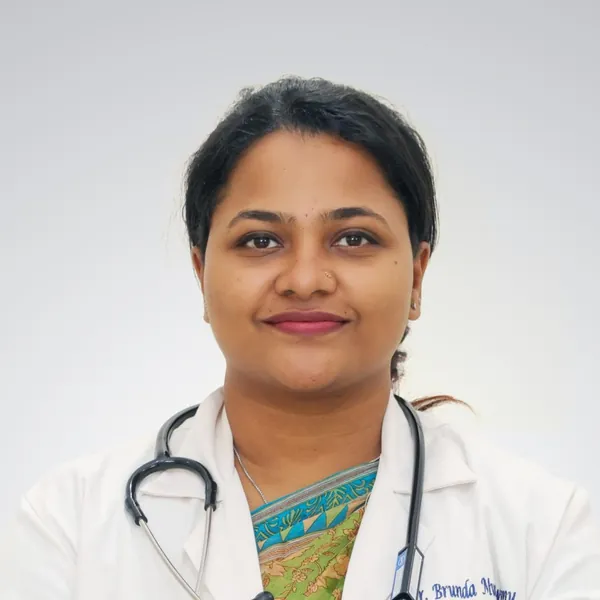
Dr Brunda Muniswamy
Assistant Professor, Obstetrics and GynaecologyHigh-risk obstetrics, colposcopy and cervical cancer screening, with interests in infertility, laparoscopy and foetal medicine - Obstetrics and Gynaecology
Dr Nandeesha T D
Assistant Professor, Obstetrics and GynaecologyObstetrics and gynaecology, including rare and complex gynaecological conditions
On one campus
Facilities at our maternity hospital
Labour room
Women in labour are cared for by obstetricians, residents and midwifery nurses, with fetal heart monitoring and an operation theatre close by for an emergency caesarean.
Newborn intensive care (NICU)
A neonatal intensive care unit run by the Department of Paediatrics looks after babies who are born early or unwell, on the same campus.
Operation theatres
Caesarean sections and gynaecological operations, including keyhole surgery, take place in the hospital’s modular operation theatres with anaesthesiologists on hand.
Ultrasound and scans
The Department of Radio Diagnosis does pregnancy and pelvic ultrasound scans on the same campus.
Intensive care and blood bank
The hospital’s 40-bed intensive care unit looks after mothers who need close watching after a serious complication such as heavy bleeding or eclampsia.
Cost, insurance and schemes
What does a delivery cost at SMSIMSR?
The cost depends on whether you have a normal delivery or a caesarean and how long you and your baby stay. Many health insurance policies cover delivery only after a waiting period, so check your policy early in pregnancy.
Cashless insurance
SMSIMSR accepts most major private health insurance policies, with cashless treatment for eligible policies and no upfront deposit for approved, covered treatment. Partners include Star Health, Niva Bupa, Care Health, HDFC ERGO, ICICI Lombard, New India Assurance, United India, Oriental, National Insurance and TPAs such as Medi Assist, MD India, FHPL and Vidal Health.
Insurance and cashless treatmentInsurance help desk
Check your policy before admission. Bring your insurance e-card, photo ID (Aadhaar or Voter ID) and PAN card.
82174 16049Government schemes
Ask the insurance help desk which government health schemes apply to your delivery or treatment.
Location
How to reach us
Plan your route to the hospital before your due date, and keep the emergency number saved in your phone.
Emergency, 24x7
In labour, bleeding in pregnancy, or severe pain in the tummy: come straight to the emergency department or call.
+91 92402 62107Address
Department of Obstetrics and Gynaecology, Sri Madhusudan Sai Institute of Medical Sciences and Research, Sathya Sai Grama, Muddenahalli, Chikkaballapur, Karnataka - 562101
Get directions (opens Google Maps in a new tab)OPD timings
8 AM to 4 PM
Drive times to SMSIMSR, Muddenahalli
| From | Distance | By car |
|---|---|---|
| Chikkaballapur town | About 7 km | 10 to 15 minutes |
| Kempegowda International Airport | About 25 km | 30 to 40 minutes |
| Devanahalli | About 30 km | 35 to 45 minutes |
| Doddaballapur | About 35 km | 45 to 60 minutes |
| Yelahanka | About 42 km | 50 to 60 minutes |
| Hebbal | About 52 km | About 1 hour 15 minutes |
| Central Bengaluru (Majestic) | About 60 km | 1 hour 30 minutes or more |
Approximate road distances. Travel time depends on traffic. Buses from Bengaluru to Chikkaballapur run via Hebbal, Yelahanka and Devanahalli.
Questions
Questions about pregnancy and delivery
When should I book my first pregnancy visit?
As soon as your pregnancy test is positive, ideally before 12 weeks. The first visit includes blood tests and a dating scan, and it is the right time to start folic acid if you have not already. Call +91 92402 62107 or walk in to the OPD between 8 AM and 4 PM.
What is an anomaly scan and when is it done?
An anomaly scan is a detailed ultrasound done at 18 to 22 weeks of pregnancy. It checks the baby’s brain, face, spine, heart, kidneys and limbs, and where the placenta lies. It takes 20 to 40 minutes and does not hurt. Your doctor explains the report at your next visit.
What is an NT scan?
The NT (nuchal translucency) scan is an ultrasound at 11 to 14 weeks that measures fluid at the back of the baby’s neck. Combined with a blood test, it estimates the chance of Down syndrome and some other conditions. A higher result means more tests are offered, not that the baby is affected.
How can I improve my chances of a normal delivery?
Stay active with walking and antenatal exercises or yoga, keep to a healthy weight gain, and attend every check-up so problems such as high blood pressure are caught early. Learn breathing for labour, and come to hospital when contractions are regular. Most women with a healthy pregnancy can deliver normally.
Normal delivery or C-section: which is better?
For a healthy mother and baby, a normal delivery is safer and recovery is quicker. A caesarean is the better choice when there is a medical reason, such as the baby lying breech, a low-lying placenta or a baby in distress. Your obstetrician will advise you based on your pregnancy.
How long is the hospital stay after delivery?
Usually one to two days after a normal delivery and three to four days after a caesarean, if you and your baby are well. Babies who need the NICU may stay longer, and you can stay close by to feed them.
What should I eat after a C-section for fast recovery?
Eat small, frequent meals with protein (dal, eggs, milk, curd, paneer or fish), fruit, vegetables and whole grains, and drink plenty of water to avoid constipation. Continue iron and calcium tablets as advised. There is no need to avoid normal home foods unless your doctor tells you to.
Can I have a normal delivery after a previous caesarean?
Often, yes. A vaginal birth after caesarean (VBAC) is possible for many women who had one caesarean with a low cut on the womb and no other problems. It needs careful monitoring in a hospital that can do an emergency caesarean. Discuss it with your obstetrician early in pregnancy.
Is there a NICU if my baby needs it?
Yes. The neonatal intensive care unit, run by the paediatrics department, is on the same campus, so a baby born early or unwell is cared for without being moved. You can visit and feed your baby.
Can my husband or a family member be with me in labour?
Ask at your antenatal visit, so the team can plan for one family member to support you. Visiting times on the postnatal ward are shared with you on admission.
How much does a normal delivery cost at SMSIMSR?
The doctor and the billing desk will explain what is included before admission. For insured women, the insurance help desk on 82174 16049 can check your maternity cover and any waiting period.
Last updated: 20 November 2026. Medical information on this page follows: WHO recommendations on antenatal care (2016) and on cervical cancer screening (2021); NICE guidelines NG201 (antenatal care), NG133 (hypertension in pregnancy), NG3 (diabetes in pregnancy), NG88 (heavy menstrual bleeding) and CG156 (fertility problems); RCOG and NHS patient information; the 2023 International Evidence-based Guideline for PCOS; FOGSI guidance. It does not replace a consultation with a doctor.