Bleeding, severe pain or fits in pregnancy? The emergency department is open 24x7. You do not need an appointment. Call +91 92402 62107 or come straight in.
Obstetrics and Gynaecology: High-Risk Pregnancy
High-Risk Pregnancy Care near Bangalore
Closer monitoring and planned delivery for pregnancies with high blood pressure, diabetes, anaemia, twins or past complications, and a referral centre for obstetric emergencies
- 24x7Obstetric emergency
- NICUOn the same campus
High-risk pregnancy
What is a high-risk pregnancy?
A high-risk pregnancy is one where the mother or baby has a higher chance of a problem, because of a health condition, the mother’s age or something that happened in a past pregnancy. It does not mean something will go wrong. It means you need more check-ups, closer monitoring and a planned delivery in a hospital ready for emergencies.
The Department of Obstetrics and Gynaecology at SMSIMSR, led by Dr Deepak Thakker with Dr Padmasri R, looks after high-risk pregnancies every day: high blood pressure and pre-eclampsia, diabetes, anaemia, twins and previous caesareans. We also handle emergencies such as eclampsia (fits in pregnancy) and heavy bleeding after birth, and primary health centres, private hospitals and nursing homes across the district refer their emergencies to us.
Our team publishes on this work, including studies of maternal near-miss cases, diabetes in pregnancy, heart scans in women with pre-eclampsia and an anti-shock garment that reduces bleeding after birth.
Risk factors
Who counts as a high-risk pregnancy?
Your pregnancy may be called high risk if any of these apply. Tell your doctor at the first visit, because many of them can be managed well when they are known early.
High blood pressure
Blood pressure of 140/90 or more, before or during pregnancy. After 20 weeks, with protein in the urine, it is called pre-eclampsia.
Diabetes
Diabetes before pregnancy, or high sugar found in pregnancy (gestational diabetes), usually at the 24 to 28 week test.
Anaemia
Haemoglobin below 11 g/dL in pregnancy. Severe anaemia raises the risk of heavy bleeding and a small baby.
Twins or more
Twin and triplet pregnancies have a higher chance of early labour, high blood pressure and growth problems.
Previous caesarean or loss
A past caesarean, miscarriages, a stillbirth, a premature baby or a weak cervix.
Age and health
Mothers under 18 or over 35, and women with thyroid, heart, kidney or liver disease, epilepsy or Rh-negative blood.
What we manage
Pregnancy complications we manage
| Condition | What it is | How we manage it |
|---|---|---|
| Pre-eclampsia and eclampsia | High blood pressure with protein in the urine after 20 weeks; eclampsia is when fits occur | Blood pressure medicines, magnesium sulphate to prevent fits, close checks on mother and baby, and delivery at the right time |
| Gestational diabetes | High blood sugar first found in pregnancy | Diet, sugar monitoring, and insulin or tablets if needed; growth scans for the baby |
| Anaemia | Low haemoglobin, often from low iron | Iron tablets or iron through a drip, diet advice, and a blood transfusion if severe |
| Ectopic pregnancy | A pregnancy growing outside the womb, usually in a tube | An emergency: medicine or keyhole surgery, depending on the size and your condition |
| Weak cervix | The neck of the womb opens too early, risking miscarriage or early birth | A stitch in the cervix (cervical cerclage), usually at 12 to 14 weeks |
| Bleeding after birth (PPH) | Heavy bleeding after delivery, a leading cause of maternal death in India | Medicines, the anti-shock garment, blood transfusion and surgery if needed, with intensive care on site |
| Molar pregnancy | Abnormal growth of the placenta tissue instead of a normal pregnancy | Removal by suction and follow-up hormone (hCG) tests until normal |
Extra care
How we monitor a high-risk pregnancy
- 1
More frequent visits
Check-ups every 1 to 2 weeks, or more often if needed, with blood pressure, urine and sugar checks.
- 2
Growth and Doppler scans
Ultrasound scans to check the baby’s growth, the fluid around the baby and the blood flow through the cord.
- 3
Fetal heart monitoring (NST)
A non-stress test (NST) records the baby’s heartbeat for 20 to 40 minutes to check the baby is well.
- 4
Care with other specialists
Physicians, anaesthesiologists and paediatricians on the same campus join your care when needed.
- 5
A planned delivery
The timing and way of delivery are planned with you, with the NICU told in advance if the baby may need it.
Referrals
How doctors and hospitals can refer a patient
SMSIMSR is a referral centre for obstetric emergencies from primary health centres, private hospitals and nursing homes. Call the hospital at any hour to tell the team the patient is coming, then send her with her antenatal card, reports and a referral note.
- Call +91 92402 62107 before transfer, so the obstetric team is ready
- Send the antenatal card, scan and blood reports and a note of the medicines given
- For eclampsia, give the loading dose of magnesium sulphate before transfer if you can
- Women arrive at the emergency department, which is open 24x7
Emergency
Warning signs that need emergency care
Come to the emergency department at once, or call +91 92402 62107, if you have:
- Bleeding from the vagina, or pain low in the tummy with a missed period (possible ectopic pregnancy)
- Severe headache, blurred vision, pain under the ribs or sudden swelling of the face and hands
- Fits or fainting
- Your baby moving less than usual
- Water leaking from the vagina, or contractions before 37 weeks
- Fever, or breathlessness
Obstetricians
Doctors who manage high-risk pregnancy
- Obstetrics and Gynaecology
Dr Padmasri R
Medical Superintendent and Professor, Obstetrics and GynaecologyHigh-risk obstetrics, emergency obstetric care, colposcopy and early detection of cervical cancer - Obstetrics and Gynaecology
Dr Deepak Thakker
Head of Department and Professor, Obstetrics and GynaecologyObstetrics and gynaecology, and leadership of the department’s clinical and teaching work - Obstetrics and Gynaecology
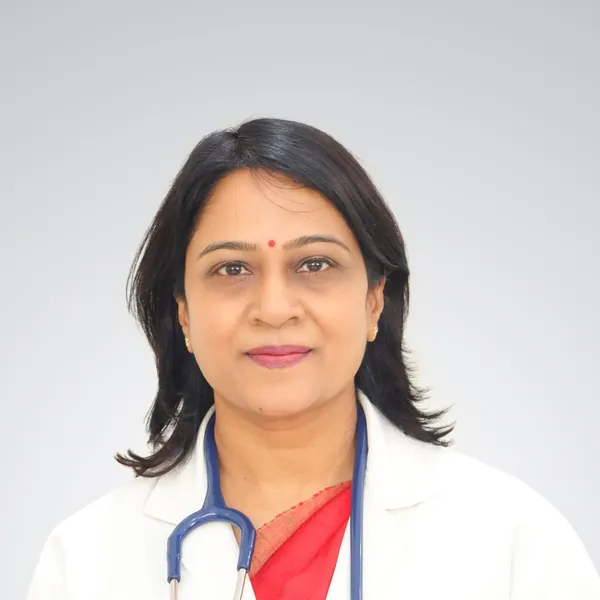
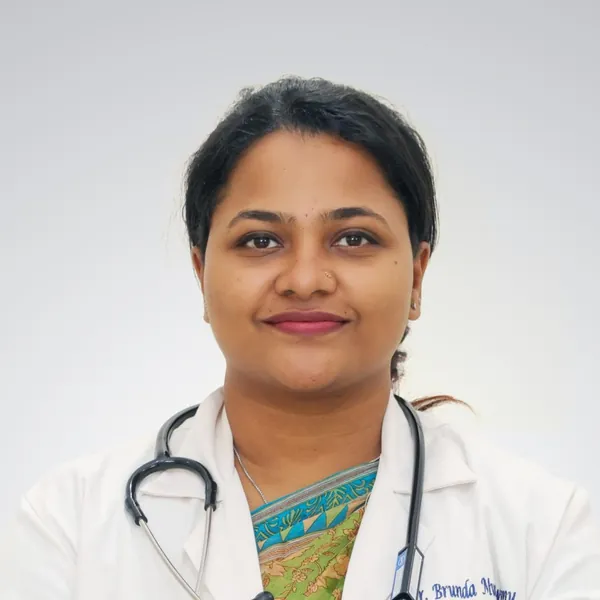
Dr Brunda Muniswamy
Assistant Professor, Obstetrics and GynaecologyHigh-risk obstetrics, colposcopy and cervical cancer screening, with interests in infertility, laparoscopy and foetal medicine - Obstetrics and Gynaecology
Dr Namitha Bali
Associate Professor, Obstetrics and GynaecologyObstetrics and gynaecology - Obstetrics and Gynaecology
Dr Nandeesha T D
Assistant Professor, Obstetrics and GynaecologyObstetrics and gynaecology, including rare and complex gynaecological conditions
On one campus
Ready for emergencies
Labour room
Women in labour are cared for by obstetricians, residents and midwifery nurses, with fetal heart monitoring and an operation theatre close by for an emergency caesarean.
Intensive care and blood bank
The hospital’s 40-bed intensive care unit looks after mothers who need close watching after a serious complication such as heavy bleeding or eclampsia.
Newborn intensive care (NICU)
A neonatal intensive care unit run by the Department of Paediatrics looks after babies who are born early or unwell, on the same campus.
Operation theatres
Caesarean sections and gynaecological operations, including keyhole surgery, take place in the hospital’s modular operation theatres with anaesthesiologists on hand.
Ultrasound and scans
The Department of Radio Diagnosis does pregnancy and pelvic ultrasound scans on the same campus.
Cost, insurance and schemes
Cost, insurance and schemes
The cost depends on the care you and your baby need.
Cashless insurance
SMSIMSR accepts most major private health insurance policies, with cashless treatment for eligible policies and no upfront deposit for approved, covered treatment. Partners include Star Health, Niva Bupa, Care Health, HDFC ERGO, ICICI Lombard, New India Assurance, United India, Oriental, National Insurance and TPAs such as Medi Assist, MD India, FHPL and Vidal Health.
Insurance and cashless treatmentInsurance help desk
Check your policy before admission. Bring your insurance e-card, photo ID (Aadhaar or Voter ID) and PAN card.
82174 16049Government schemes
Ask the insurance help desk which government health schemes apply to your delivery or treatment.
Location
How to reach us
Emergency, 24x7
In labour, bleeding in pregnancy, or severe pain in the tummy: come straight to the emergency department or call.
+91 92402 62107Address
Department of Obstetrics and Gynaecology, Sri Madhusudan Sai Institute of Medical Sciences and Research, Sathya Sai Grama, Muddenahalli, Chikkaballapur, Karnataka - 562101
Get directions (opens Google Maps in a new tab)OPD timings
8 AM to 4 PM
Drive times to SMSIMSR, Muddenahalli
| From | Distance | By car |
|---|---|---|
| Chikkaballapur town | About 7 km | 10 to 15 minutes |
| Kempegowda International Airport | About 25 km | 30 to 40 minutes |
| Devanahalli | About 30 km | 35 to 45 minutes |
| Doddaballapur | About 35 km | 45 to 60 minutes |
| Yelahanka | About 42 km | 50 to 60 minutes |
| Hebbal | About 52 km | About 1 hour 15 minutes |
| Central Bengaluru (Majestic) | About 60 km | 1 hour 30 minutes or more |
Approximate road distances. Travel time depends on traffic. Buses from Bengaluru to Chikkaballapur run via Hebbal, Yelahanka and Devanahalli.
Questions
Questions about high-risk pregnancy
What is a high-risk pregnancy?
A pregnancy where the mother or baby has a higher chance of a problem, because of a condition such as high blood pressure, diabetes or anaemia, the mother’s age, twins, or a problem in a past pregnancy. Most women with a high-risk pregnancy have healthy babies with closer monitoring and a planned delivery.
What are the signs of pre-eclampsia?
Severe headache, blurred vision or flashing lights, pain under the ribs, and sudden swelling of the face, hands or feet, usually after 20 weeks. Often there are no symptoms at all, which is why blood pressure and urine are checked at every visit. Come in at once if you notice any of these.
What is an ectopic pregnancy?
An ectopic pregnancy grows outside the womb, most often in a fallopian tube. It cannot continue and can cause dangerous internal bleeding. Warning signs are pain on one side low in the tummy and spotting, usually 6 to 8 weeks after a missed period. It is an emergency: come to hospital straight away.
How is diabetes in pregnancy treated?
Most women control gestational diabetes with diet changes, walking and checking their sugar at home. Some need insulin or tablets. You will have extra scans to check the baby’s growth, and the timing of delivery is planned. Sugar usually returns to normal after birth, but you should be tested again later.
How can I increase haemoglobin in pregnancy?
Take the iron and folic acid tablets prescribed, with water or lemon juice rather than tea or milk. Eat green leafy vegetables, ragi, dates, jaggery, pulses, eggs and meat if you eat them. If haemoglobin stays low, iron can be given through a drip. Have your level checked at each trimester.
Is twin pregnancy high risk?
Yes. Twins have a higher chance of early labour, high blood pressure, diabetes, anaemia and growth problems, so you will have more frequent visits and scans. Many twins are born a little early, around 36 to 37 weeks, and the way of delivery depends on how the babies are lying.
What is cervical cerclage?
A stitch placed around the neck of the womb to keep it closed when it is weak and might open too early. It is usually done at 12 to 14 weeks under anaesthesia, takes about 20 minutes, and is removed at around 37 weeks or when labour starts. SMSIMSR doctors have studied pregnancy outcomes after cerclage.
What is an NST in pregnancy?
A non-stress test (NST) records your baby’s heartbeat and your contractions for 20 to 40 minutes using two belts on your tummy. A healthy baby’s heart rate rises when it moves. It is painless and is used from about 28 weeks in high-risk pregnancies to check the baby is well.
Can a high-risk pregnancy have a normal delivery?
Often, yes. Many women with high blood pressure, diabetes or a previous caesarean deliver normally with close monitoring. A caesarean is advised only when it is safer for you or your baby. Your obstetrician will plan the timing and type of delivery with you.
Do you accept emergency referrals at night?
Yes. The emergency department is open 24 hours a day, every day, and pregnant women referred from other hospitals are seen at any hour. Referring doctors should call +91 92402 62107 before transfer so the obstetric team is ready.
Last updated: 20 November 2026. Medical information on this page follows: WHO recommendations on antenatal care (2016) and on cervical cancer screening (2021); NICE guidelines NG201 (antenatal care), NG133 (hypertension in pregnancy), NG3 (diabetes in pregnancy), NG88 (heavy menstrual bleeding) and CG156 (fertility problems); RCOG and NHS patient information; the 2023 International Evidence-based Guideline for PCOS; FOGSI guidance. It does not replace a consultation with a doctor.