
Obstetrics and Gynaecology: Infertility Clinic
Infertility Clinic near Bangalore: IUI, Fertility Tests and IVF
Tests for both partners, ovulation tracking and IUI at SMSIMSR, with IVF through our tie-up with Gunasheela Infertility Centre
- Both partnersTested together
- IVFThrough Gunasheela tie-up
Infertility clinic
An infertility clinic near Bangalore
The infertility clinic at SMSIMSR helps couples who have been trying for a baby for a year or more, or six months if the woman is over 35. We test both partners, find the likely cause and start the simplest treatment that can work, from ovulation tablets to IUI. Couples who need IVF are treated through our tie-up with Gunasheela Infertility Centre.
The clinic was set up for women from rural areas around Chikkaballapur, who often have to travel to Bangalore for fertility care.
About one in seven couples has difficulty getting pregnant, and the cause is found in the man about as often as in the woman. That is why both partners are tested from the first visit.
Finding the cause
Fertility tests for both partners
| Test | For | What it shows |
|---|---|---|
| Semen analysis | Man | Sperm count, movement and shape; the single most useful first test for the man |
| Hormone blood tests | Woman | Thyroid, prolactin, FSH, LH and AMH, which show whether ovulation is likely and the egg reserve |
| Follicular study | Woman | A series of ultrasound scans over one cycle to see whether an egg grows and is released, and when |
| HSG (hysterosalpingography) | Woman | An X-ray with dye to check whether the fallopian tubes are open |
| Pelvic ultrasound | Woman | The womb and ovaries, looking for fibroids, polyps, cysts or polycystic ovaries |
| Laparoscopy or hysteroscopy | Woman | Keyhole look at the tubes, womb and pelvis when other tests point to a problem, often treating it at the same time |
Treatment
Fertility treatments, from simple to advanced
Lifestyle and timing
A healthy weight, stopping smoking and alcohol, and sex every two to three days through the cycle.
Ovulation induction
Tablets such as letrozole, or injections, to help the ovaries release an egg, with follicular study scans.
Surgery
Keyhole surgery to open blocked tubes, remove fibroids, polyps or cysts, or treat endometriosis.
IUI
Washed sperm placed inside the womb at the time of ovulation.
IVF
Eggs are fertilised in a laboratory and an embryo placed in the womb, through our tie-up with Gunasheela Infertility Centre.
IUI
What is IUI treatment, step by step?
IUI (intrauterine insemination) places the husband’s washed and prepared sperm directly inside the womb at the time of ovulation, so more sperm reach the egg. It takes a few minutes in the OPD, needs no anaesthesia, and feels like a pap smear.
- 1
Tests first
At least one fallopian tube must be open and the semen analysis good enough for IUI.
- 2
Growing an egg
Ovulation tablets or injections may be given from day 2 or 3 of the period.
- 3
Follicular study
Scans every few days show when the egg is ready; an injection may be given to release it.
- 4
Sperm preparation
On the day, the husband gives a semen sample, which is washed and concentrated in the laboratory.
- 5
Insemination
The sperm are placed in the womb through a thin, soft tube. You rest for a few minutes and go home.
- 6
Pregnancy test
A urine or blood pregnancy test about two weeks later.
Each IUI cycle has a modest chance of pregnancy, higher in younger women with open tubes and a good sperm count. Couples are usually advised to try up to three to six cycles before moving on to IVF. Your doctor will tell you what to expect in your case.
Cost and insurance
What does IUI cost at SMSIMSR?
Most health insurance policies in India do not cover fertility treatment, so check with the insurance help desk.
Cashless insurance
SMSIMSR accepts most major private health insurance policies, with cashless treatment for eligible policies and no upfront deposit for approved, covered treatment. Partners include Star Health, Niva Bupa, Care Health, HDFC ERGO, ICICI Lombard, New India Assurance, United India, Oriental, National Insurance and TPAs such as Medi Assist, MD India, FHPL and Vidal Health.
Insurance and cashless treatmentInsurance help desk
Check your policy before admission. Bring your insurance e-card, photo ID (Aadhaar or Voter ID) and PAN card.
82174 16049Government schemes
Ask the insurance help desk which government health schemes apply to your delivery or treatment.
Our team
Doctors in the infertility clinic
- Obstetrics and Gynaecology
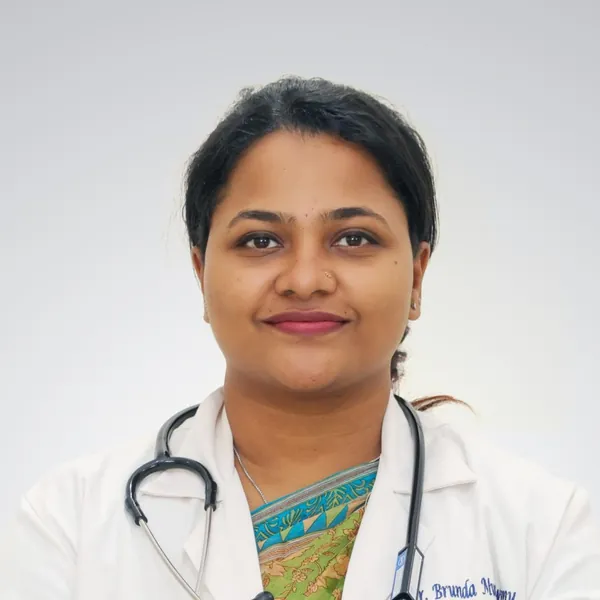
Dr Brunda Muniswamy
Assistant Professor, Obstetrics and GynaecologyHigh-risk obstetrics, colposcopy and cervical cancer screening, with interests in infertility, laparoscopy and foetal medicine - Obstetrics and Gynaecology
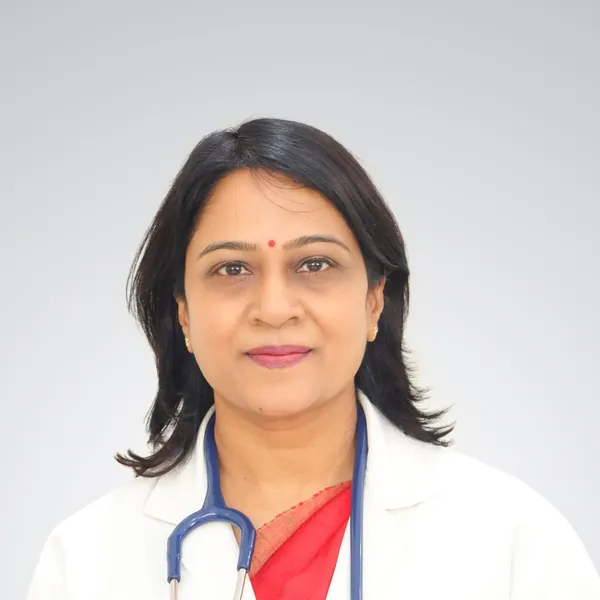
Dr Deepak Thakker
Head of Department and Professor, Obstetrics and GynaecologyObstetrics and gynaecology, and leadership of the department’s clinical and teaching work - Obstetrics and Gynaecology
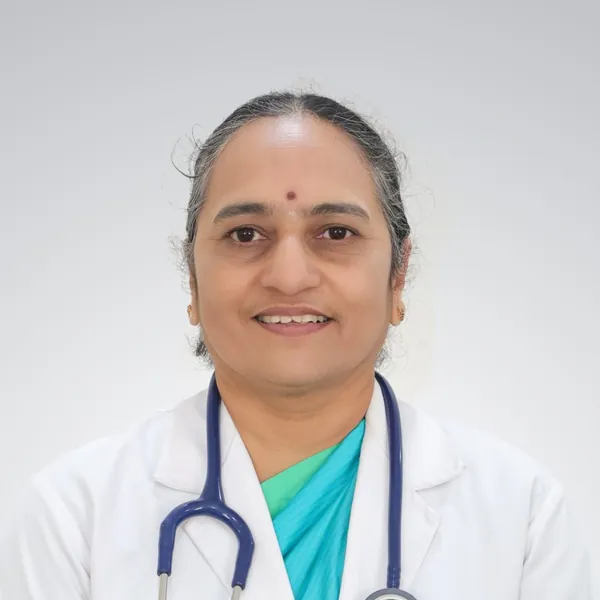
Dr Padmasri R
Medical Superintendent and Professor, Obstetrics and GynaecologyHigh-risk obstetrics, emergency obstetric care, colposcopy and early detection of cervical cancer - Obstetrics and Gynaecology
Dr Akkamahadevi C Hiremath
Assistant Professor, Obstetrics and GynaecologyGynaecological endoscopy (laparoscopy and hysteroscopy) and urogynaecology, including prolapse and urine leakage
Location
How to reach us
Emergency, 24x7
In labour, bleeding in pregnancy, or severe pain in the tummy: come straight to the emergency department or call.
+91 92402 62107Address
Department of Obstetrics and Gynaecology, Sri Madhusudan Sai Institute of Medical Sciences and Research, Sathya Sai Grama, Muddenahalli, Chikkaballapur, Karnataka - 562101
Get directions (opens Google Maps in a new tab)OPD timings
8 AM to 4 PM
Drive times to SMSIMSR, Muddenahalli
| From | Distance | By car |
|---|---|---|
| Chikkaballapur town | About 7 km | 10 to 15 minutes |
| Kempegowda International Airport | About 25 km | 30 to 40 minutes |
| Devanahalli | About 30 km | 35 to 45 minutes |
| Doddaballapur | About 35 km | 45 to 60 minutes |
| Yelahanka | About 42 km | 50 to 60 minutes |
| Hebbal | About 52 km | About 1 hour 15 minutes |
| Central Bengaluru (Majestic) | About 60 km | 1 hour 30 minutes or more |
Approximate road distances. Travel time depends on traffic. Buses from Bengaluru to Chikkaballapur run via Hebbal, Yelahanka and Devanahalli.
Questions
Questions about fertility treatment
When should we see a fertility doctor?
After a year of regular unprotected sex without pregnancy, or after six months if the woman is over 35. See a doctor sooner if periods are irregular or absent, there is known endometriosis, PCOS or a past pelvic infection, or the man has had a testicular problem.
What is IUI treatment?
IUI (intrauterine insemination) places the husband’s washed sperm inside the womb at the time of ovulation, so more sperm reach the egg. It takes a few minutes in the OPD and needs no anaesthesia. It suits couples with mild sperm problems, unexplained infertility or ovulation problems, if at least one tube is open.
Is IUI painful?
No more than a pap smear. A speculum is placed in the vagina and a thin, soft tube passed through the cervix, which may cause brief cramping. You can return to normal activity the same day.
What is a follicular study?
A follicular study is a series of vaginal ultrasound scans over one menstrual cycle, usually from day 9 to 10, to watch an egg grow and see when it is released. It helps time sex or IUI and shows whether ovulation tablets are working.
What is an HSG test?
Hysterosalpingography (HSG) is an X-ray test in which dye is passed through the cervix to see whether the fallopian tubes are open and the womb is normal in shape. It is done after the period and before ovulation, takes about 15 minutes and can cause period-like cramps.
How to get pregnant fast?
Have sex every two to three days through the cycle, rather than only on one day. Keep a healthy weight, stop smoking and alcohol, and take folic acid. If you have tried for a year, or six months over 35, both partners should be tested rather than waiting longer.
Is IVF painful?
Most of IVF is not painful. Daily hormone injections cause a pinprick, and the ovaries may feel full. Egg collection is done under sedation or anaesthesia, so you do not feel it, with mild cramping afterwards. The embryo transfer feels like a pap smear.
How many injections are needed for IVF?
Usually one or two hormone injections a day for 8 to 12 days to grow eggs, then one trigger injection before egg collection. Some plans add injections to prevent early ovulation and support the pregnancy afterwards. Your IVF team will give you an exact schedule.
Do you do IVF at SMSIMSR?
Couples who need IVF are treated through our tie-up with Gunasheela Infertility Centre. Tests, ovulation treatment and IUI are done at SMSIMSR.
Does PCOS cause infertility?
PCOS (now also called PMOS) is a common cause of irregular ovulation, but most women with PCOS can get pregnant. Weight loss of even 5 to 10 percent can restart ovulation, and tablets such as letrozole help many women. See our PCOS page.
Last updated: 20 November 2026. Medical information on this page follows: WHO recommendations on antenatal care (2016) and on cervical cancer screening (2021); NICE guidelines NG201 (antenatal care), NG133 (hypertension in pregnancy), NG3 (diabetes in pregnancy), NG88 (heavy menstrual bleeding) and CG156 (fertility problems); RCOG and NHS patient information; the 2023 International Evidence-based Guideline for PCOS; FOGSI guidance. It does not replace a consultation with a doctor.