
Heart condition
Heart failure
Heart failure means the heart is not pumping as well as it should
Condition guide
What is heart failure?
Heart failure means the heart muscle cannot pump enough blood for the body’s needs, or cannot fill properly. Fluid backs up into the lungs and legs. It is a long-term condition, but with the right treatment many people feel much better and live longer.
Common causes are coronary artery disease and heart attacks, long-standing high blood pressure, valve disease, and diseases of the heart muscle (cardiomyopathy).
Symptoms
- Breathlessness on exertion or lying flat
- Waking at night breathless
- Swelling of the feet, ankles or stomach
- Tiredness
- Sudden weight gain from fluid
- Cough
How it is diagnosed
An echocardiogram measures how well the heart pumps. ECG, chest X-ray, blood tests and sometimes angiography find the cause.
Treatment at SMSIMSR
Medicines remove extra fluid and help the heart work better. Treating the cause is key: angioplasty or bypass surgery for blocked arteries, or valve surgery for damaged valves.
When to get emergency help
Severe breathlessness at rest, frothy cough, chest pain or fainting needs emergency care at once.
How we treat it
- Coronary angioplasty and stentingOpens a blocked heart artery with a tiny balloon and keeps it open with a mesh tube called a stent.
- Coronary artery bypass grafting (CABG)Bypass surgery creates new routes for blood around blocked heart arteries, on a stopped or a beating heart.
- Heart valve repair and replacementRepairs a damaged valve where possible, or replaces it with a mechanical or tissue valve.
Doctors who treat heart failure
- Cardiology
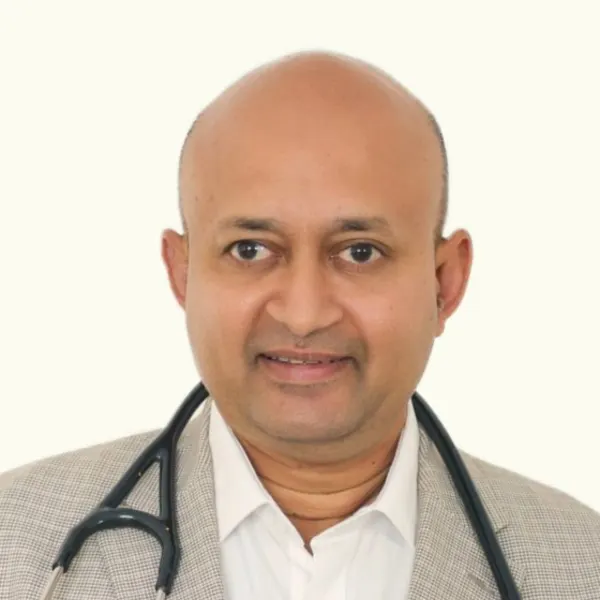
Dr Naveen Chettimada Basappa
Consultant CardiologistAngioplasty and stenting, pacemakers, heart failure and echocardiography - Cardiothoracic and Vascular Surgery
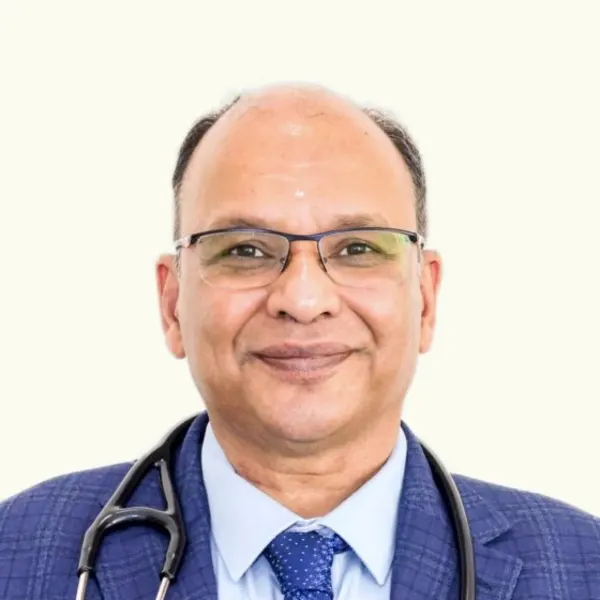
Dr Anand Kumar Agarwal
Senior Surgeon and Head of DepartmentBeating-heart bypass, valve surgery and minimal access heart surgery - Cardiothoracic and Vascular Surgery
Dr Channabasavaraj S Hiremath
Senior Surgeon and Director, Heart Valve BankValve repair, congenital heart surgery, coronary and aortic surgery

Questions about heart failure
How much water and salt should I take?
Many patients are advised to limit salt and sometimes fluids. Follow the amount your cardiologist advises.
Why should I weigh myself every day?
A quick gain of 2 kg or more in two or three days often means fluid is building up. Tell your doctor early.
Medically reviewed by:
Centre for Cardiac Sciences