
Cardiothoracic and Vascular Surgery
Coronary Artery Bypass Surgery (CABG), On-pump and Off-pump
Bypass surgery gives blood a new route around blocked heart arteries. At SMSIMSR it is performed by surgeons with more than 25 years of experience
Treatment
What it is
When several coronary arteries are badly blocked, or the main artery is blocked, coronary artery bypass grafting (CABG) is often the best long-term treatment. The surgeon takes a healthy blood vessel from your chest wall, arm or leg, called a graft, and joins it beyond the blockage. Blood then flows through the graft to the heart muscle.
Who needs it
- Blockages in two or three main heart arteries, especially with diabetes
- A blockage in the left main coronary artery
- Blockages that cannot be treated well with angioplasty
- Angina that continues despite medicines and angioplasty
How it is done at SMSIMSR
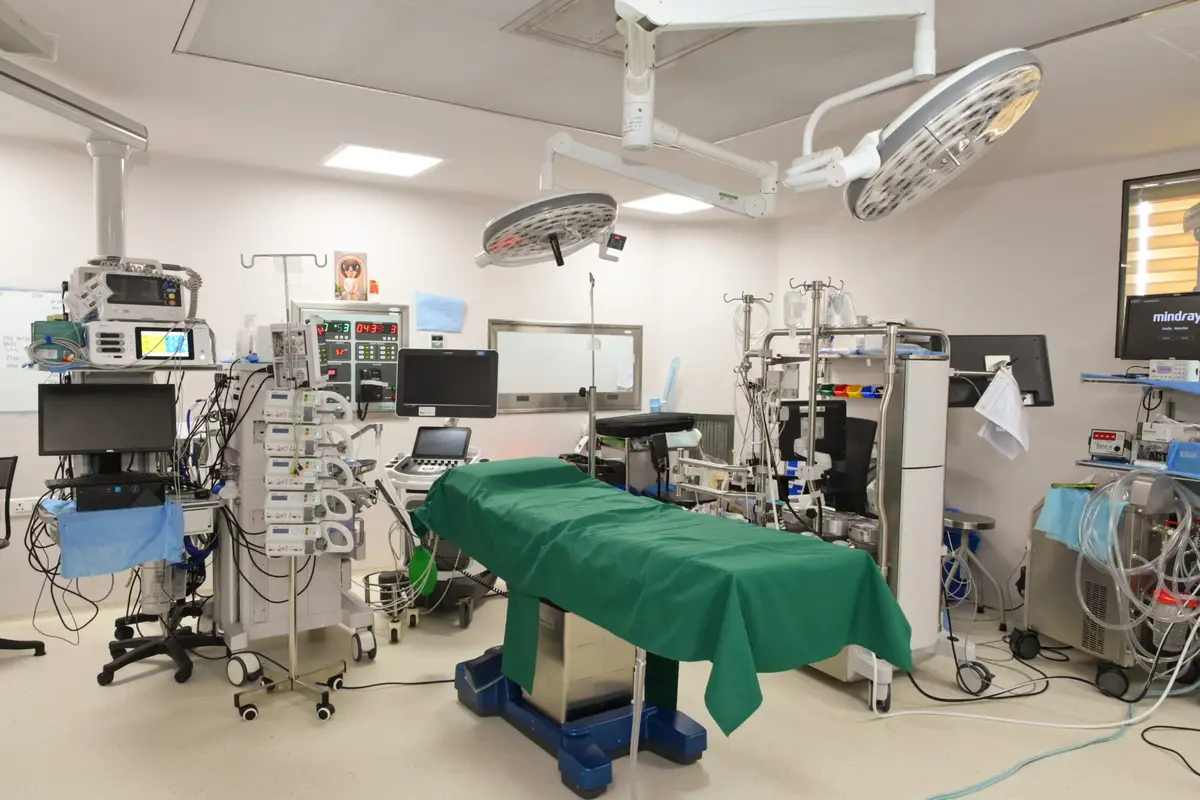
The operation is done under general anaesthesia and usually takes three to five hours. The surgeon opens the chest through the breastbone, attaches the grafts, and closes the bone with steel wires. Your cardiac anaesthetist monitors the heart throughout, often with a transoesophageal echo.
On-pump and off-pump (beating-heart) bypass
In on-pump surgery, a heart-lung machine pumps and oxygenates the blood while the heart is stopped. In off-pump or beating-heart surgery, the surgeon uses special devices to steady one small area of the heart while it keeps beating. Both are performed at SMSIMSR. Dr Anand Kumar Agarwal has a particular interest in beating-heart bypass surgery. The surgeon will advise which is safer for you.
Recovery
You will wake up in the cardiac ICU and usually move to the ward after one to three days. Most patients go home in about a week.
You will walk on the first or second day after surgery. Light activity can be resumed in a few weeks, and most people return to work in six to eight weeks. Avoid lifting heavy weights and driving until your surgeon says the breastbone has healed. Cardiac rehabilitation, daily walking, medicines, and control of sugar, cholesterol, blood pressure and smoking protect your grafts for many years.
Doctors who perform coronary artery bypass grafting (CABG)
- Cardiothoracic and Vascular Surgery
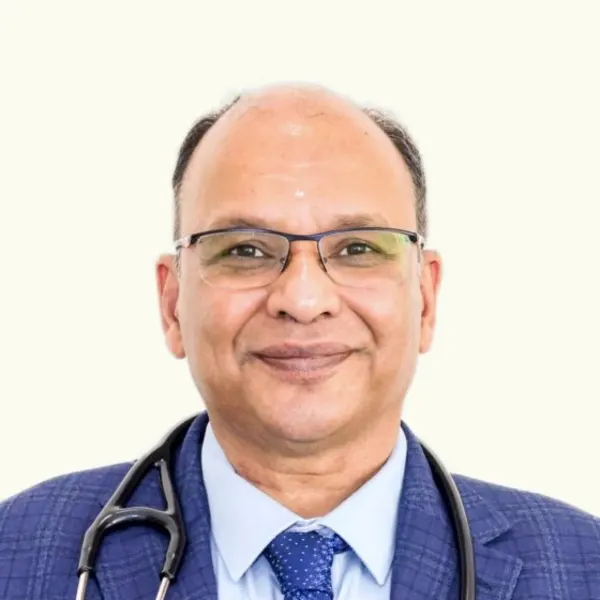
Dr Anand Kumar Agarwal
Senior Surgeon and Head of DepartmentBeating-heart bypass, valve surgery and minimal access heart surgery - Cardiothoracic and Vascular Surgery
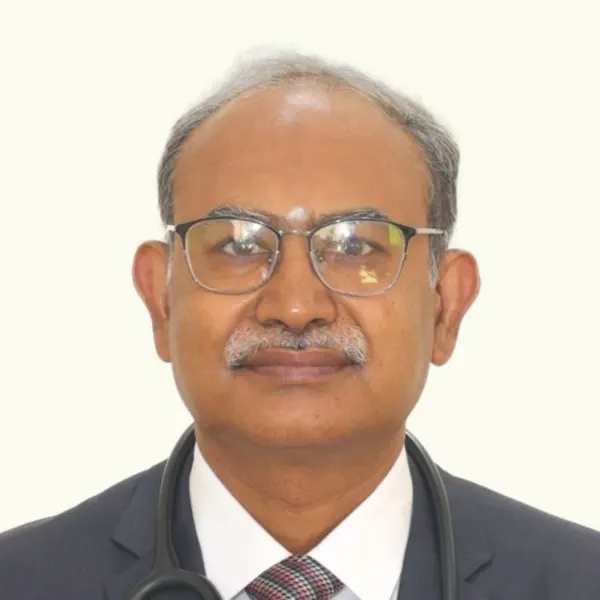
Dr Channabasavaraj S Hiremath
Senior Surgeon and Director, Heart Valve BankValve repair, congenital heart surgery, coronary and aortic surgery
Questions about coronary artery bypass grafting (CABG)
Is bypass surgery safe?
For most patients, bypass surgery is a safe and well-established operation. Your risk depends on your age, heart function and other illnesses. Your surgeon will explain your own risk before you decide.
How long does a bypass last?
Grafts often work for many years, especially artery grafts. Healthy habits and regular medicines help them last longer.
Will I need to take medicines after surgery?
Yes. Most patients take aspirin, a cholesterol medicine and others for life. Do not stop any medicine without asking your doctor.
Centre for Cardiac Sciences