
Heart condition
Heart attack
A heart attack happens when a blood clot suddenly blocks a heart artery and part of the heart muscle starts to die
Condition guide
What is heart attack?
A heart attack (myocardial infarction) happens when a coronary artery is suddenly blocked, usually by a blood clot on a fatty plaque. The part of the heart muscle supplied by that artery stops getting oxygen and begins to die within minutes.
The sooner the artery is opened, the more heart muscle is saved. This is why doctors say time is muscle.
Symptoms
- Chest pain, pressure, squeezing or heaviness lasting more than a few minutes
- Pain in the left arm, both arms, jaw, neck, back or upper stomach
- Sweating, often cold sweat
- Breathlessness
- Nausea, vomiting or a feeling of acidity that does not go away
- Giddiness or fainting
How it is diagnosed
An ECG within minutes of arrival, and blood tests for heart muscle damage (troponin), confirm a heart attack. Coronary angiography shows the blocked artery.
Treatment at SMSIMSR
The blocked artery is opened as fast as possible, with clot-dissolving medicine or emergency angioplasty. Some patients later need bypass surgery. After a heart attack, patients are watched in the cardiac care unit.
When to get emergency help
If you think someone is having a heart attack: call the emergency number, keep them sitting and calm, and get them to the nearest hospital that can treat heart attacks immediately. Do not wait to see if the pain goes away.
How we treat it
- Coronary angioplasty and stentingOpens a blocked heart artery with a tiny balloon and keeps it open with a mesh tube called a stent.
- Coronary angiographyAn X-ray test with dye that shows whether the heart’s arteries are narrowed or blocked. Includes cath studies before surgery.
- Coronary artery bypass grafting (CABG)Bypass surgery creates new routes for blood around blocked heart arteries, on a stopped or a beating heart.
Doctors who treat heart attack
- Cardiology
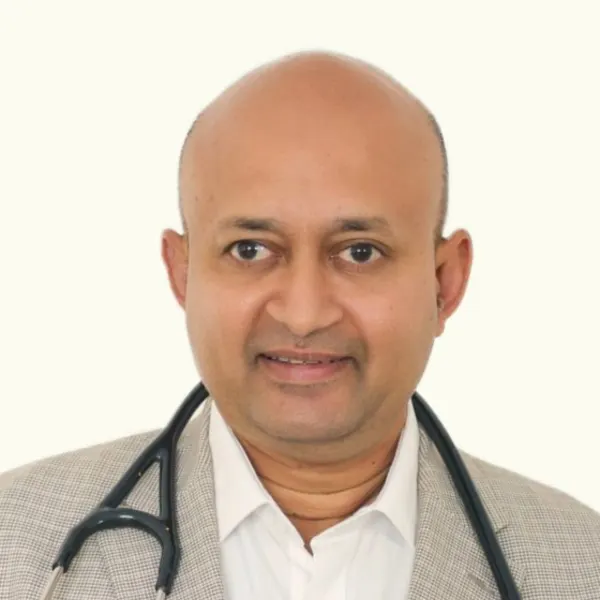
Dr Naveen Chettimada Basappa
Consultant CardiologistAngioplasty and stenting, pacemakers, heart failure and echocardiography - Paediatric and Congenital Cardiology
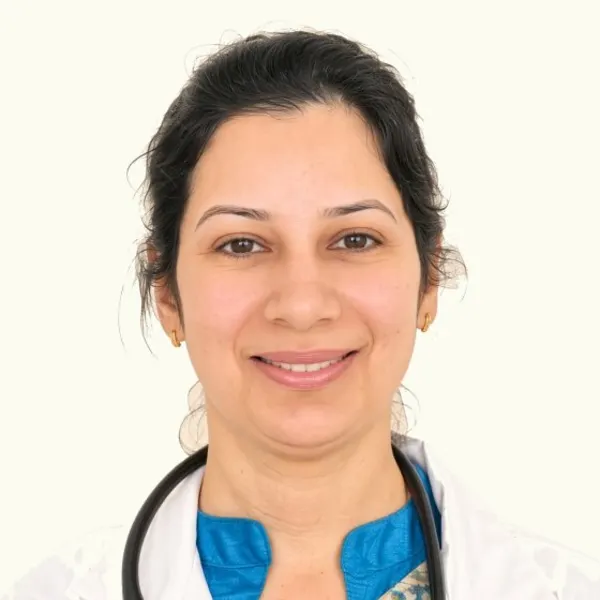
Dr Annie Arvind
Paediatric and Adult Congenital CardiologistCongenital heart disease, foetal echo and catheter treatment for children - Cardiothoracic and Vascular Surgery
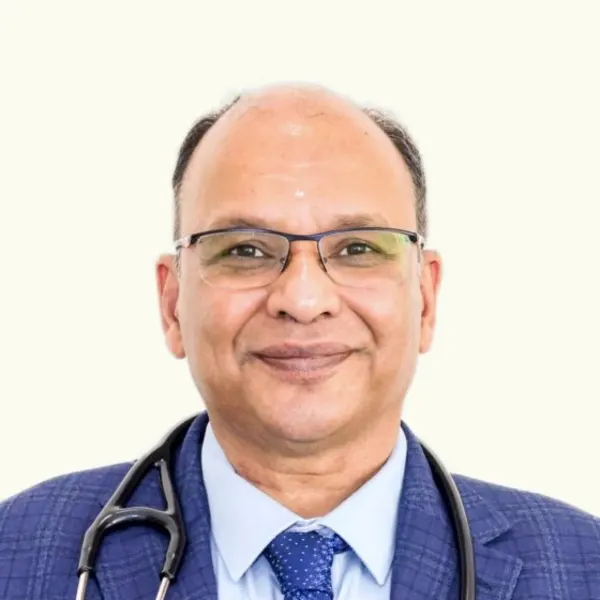
Dr Anand Kumar Agarwal
Senior Surgeon and Head of DepartmentBeating-heart bypass, valve surgery and minimal access heart surgery - Cardiothoracic and Vascular Surgery
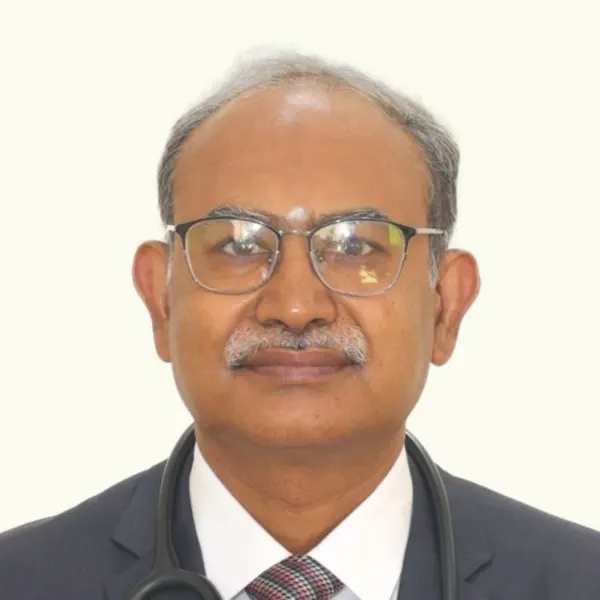
Dr Channabasavaraj S Hiremath
Senior Surgeon and Director, Heart Valve BankValve repair, congenital heart surgery, coronary and aortic surgery
Questions about heart attack
Should I take aspirin during a heart attack?
If you are not allergic and a doctor has not told you to avoid it, chewing one regular aspirin tablet can help. Do not let this delay going to hospital.
Can young people have a heart attack?
Yes. Heart attacks are increasingly seen in people in their 30s and 40s in India, especially with smoking, diabetes or a family history.
Medically reviewed by:
Centre for Cardiac Sciences