
Cardiology
Coronary Angiography (Angiogram) and Cath Study
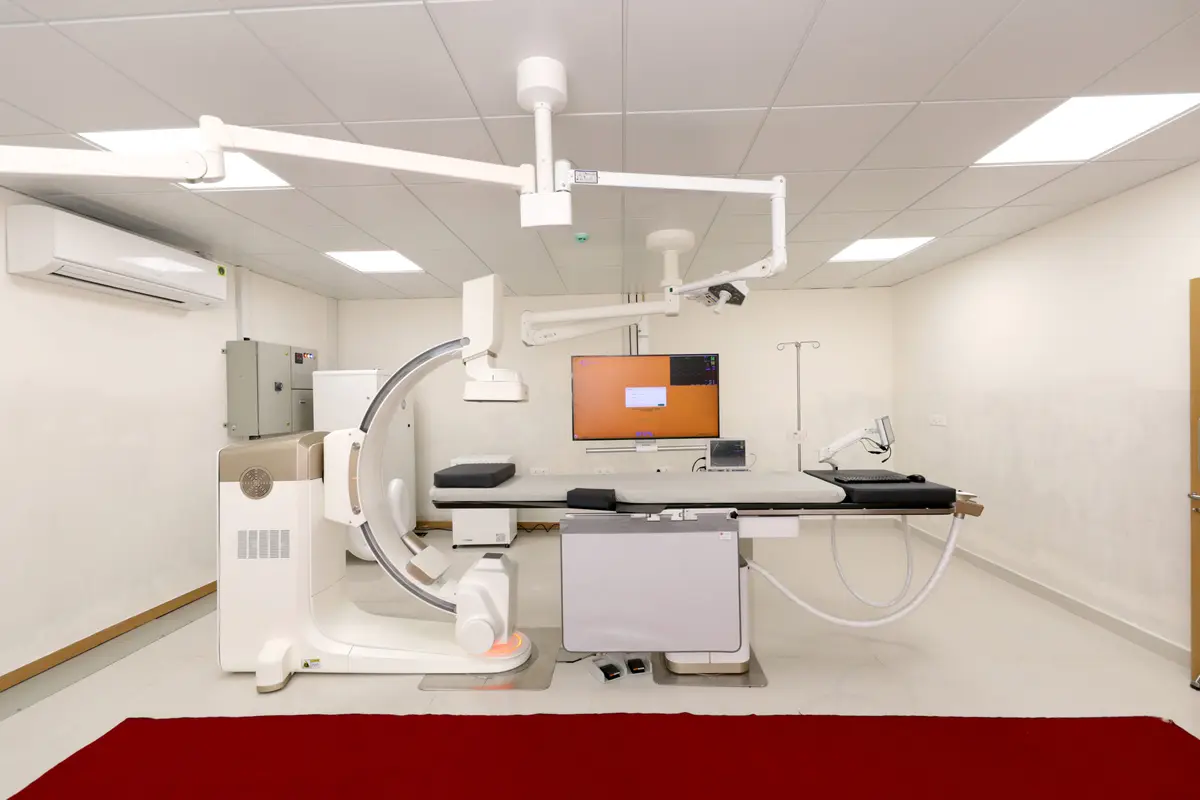
A coronary angiogram is the clearest way to see whether the arteries that feed your heart are narrowed or blocked. At SMSIMSR it is done in our cath lab by an experienced cardiologist
Treatment
What it is
Your heart muscle gets its blood supply from the coronary arteries. When fat and calcium build up inside them, they become narrow, and the heart does not get enough blood. This causes chest pain and can lead to a heart attack.
In coronary angiography, the cardiologist passes a thin, soft tube called a catheter through an artery in your wrist or groin up to the heart. A small amount of dye is injected, and X-ray pictures show exactly where any narrowing is and how severe it is.
Who needs it
- Chest pain or tightness on walking or climbing stairs (angina)
- A recent heart attack
- An abnormal ECG, echo or treadmill test
- Planned valve or other heart surgery, to check the arteries first
- Unexplained breathlessness or weakness of the heart muscle
How it is done at SMSIMSR
You lie on the table in the cath lab, awake. The doctor numbs a small area of the wrist or groin with local anaesthetic and places the catheter. You may feel a warm flush when the dye goes in. The test usually takes 20 to 45 minutes.
If a serious blockage is found, the cardiologist may discuss going ahead with angioplasty in the same sitting, or the team may advise bypass surgery. Because the cath lab and cardiac surgery are on the same campus, both options can be planned together.
Diagnostic cath study
A diagnostic cardiac catheterisation uses the same technique to measure pressures and oxygen levels inside the heart and lungs. For children and adults with congenital heart disease or valve disease, it shows the exact anatomy and tells the surgeons whether an operation is possible and how to plan it. Our paediatric cardiologist performs these studies for children.
Recovery
After the test you rest for a few hours. If the wrist was used, a tight band is kept on for a short time. If the groin was used, you lie flat for a few hours. Many patients go home the same day or the next day.
Drink plenty of water to flush out the dye. Avoid lifting heavy weights with that arm or leg for a few days. Tell the team at once if there is bleeding or swelling at the puncture site.
Doctors who perform coronary angiography
- Cardiology
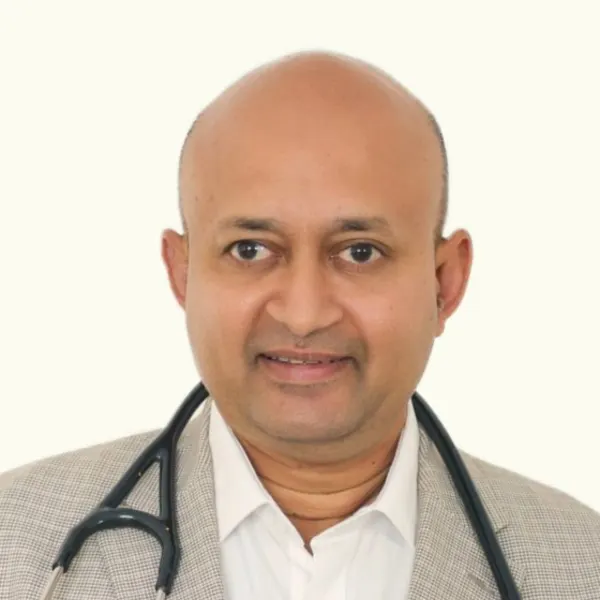
Dr Naveen Chettimada Basappa
Consultant CardiologistAngioplasty and stenting, pacemakers, heart failure and echocardiography - Paediatric and Congenital Cardiology
Dr Annie Arvind
Paediatric and Adult Congenital CardiologistCongenital heart disease, foetal echo and catheter treatment for children

Questions about coronary angiography
Does angiography hurt?
Most people feel only the small prick of the local anaesthetic and some pressure at the wrist or groin. You stay awake and can tell the team if you are uncomfortable.
Is the dye safe?
The dye is safe for most people. Tell the doctor if you have kidney disease, diabetes or any allergy, especially to iodine or earlier dye. Extra care and fluids may be needed.
Can I eat before the test?
You will usually be asked not to eat for about four to six hours before. The team will give you exact instructions, including which medicines to take that morning.
Centre for Cardiac Sciences