
Orthopaedics: Physiotherapy and Rehabilitation
Physiotherapy and Rehabilitation at SMSIMSR, near Bangalore
Physiotherapy for back, neck and joint pain, sports injuries, and recovery after surgery or a fracture
- 8 AM to 4 PMPhysiotherapy OPD
- Day 1Physio starts after joint replacement
Physiotherapy
Physiotherapy at SMSIMSR
SMSIMSR has a physiotherapy department that sees outpatients and patients in the wards. Our physiotherapists treat back and neck pain, knee and shoulder problems and sports injuries, and help people recover after joint replacement, ligament surgery and fractures. Walk in to the OPD between 8 AM and 4 PM, or call to book.
Physiotherapy uses exercise, hands-on treatment and advice to ease pain and get you moving again. For many common problems it is the main treatment, not an extra: NICE guidance recommends exercise as a first treatment for knee and hip osteoarthritis and for low back pain.
Our physiotherapists work in the same hospital as the orthopaedic surgeons, so your surgeon and physiotherapist can agree a plan together, and you can see a doctor quickly if a problem needs one.
- 8 AM to 4 PMPhysiotherapy OPD
- Same campusAs the orthopaedic surgeons
- Ward and OPDPhysio before and after discharge
- OPD and wardsOutpatients and inpatients
Conditions treated
What can physiotherapy help with?
Back pain, neck pain and sciatica
Exercises and posture advice that ease pain and stop it coming back. See spine care.
Knee and hip arthritis
Strengthening the muscles around the joint to cut pain and keep you walking, often delaying or avoiding surgery.
After knee or hip replacement
Walking, stairs and bending the new joint, from the day after the operation until you are back to normal.
Sports injuries and ACL rehab
Planned rehabilitation after ligament tears and arthroscopy, through to tests before you return to sport.
Frozen shoulder and shoulder pain
Stretching and strengthening to win back the movement that pain and stiffness have taken away.
After a fracture
Getting stiff joints and weak muscles working again once the plaster comes off or after fracture surgery.
Heel pain and tennis elbow
Stretches, strengthening and advice on footwear and grip for long-standing tendon pain.
What we offer
Physiotherapy treatments
| Treatment | What it involves | Helps with |
|---|---|---|
| Exercise therapy | Strengthening, stretching and balance exercises chosen for your problem and taught step by step | Almost every condition; the core of most plans |
| Manual therapy | Hands-on movement of stiff joints and soft tissues by the physiotherapist | Stiff joints, back and neck pain, frozen shoulder |
| Electrotherapy | TENS, interferential therapy or therapeutic ultrasound to ease pain | Short-term pain relief alongside exercise |
| Heat and cold therapy | Hot packs to relax muscles, ice packs to calm swelling | Muscle spasm, swelling after injury or surgery |
| Walking and stair training | Learning to walk safely with a frame, crutches or stick, then without | After joint replacement, fractures and leg surgery |
| Posture and work advice | How to sit, lift, sleep and set up your work space | Back and neck pain that keeps coming back |
| Home exercise programme | A written or drawn plan to follow between sessions | Every patient |
Machines such as TENS can ease pain for a while, but exercise is what makes the lasting difference. Expect most of your session, and your homework, to be exercise.
What to expect
What happens at your first physiotherapy session?
- 1
Assessment
The physiotherapist asks about your pain, your work and what you want to get back to, then checks how you move, your strength and your balance.
- 2
A plan and goals
You agree what to work on, for example walking to the bus stop without pain or getting back to cricket, and roughly how many sessions it may take.
- 3
Treatment starts
Most first sessions include treatment as well as assessment, usually exercises plus hands-on work or heat or ice.
- 4
Exercises for home
You leave with a short set of exercises to do every day. Doing them is what makes the sessions work.
- 5
Review
Later sessions check your progress and make the exercises harder as you improve.
A session usually lasts 30 to 45 minutes. Wear loose, comfortable clothes that let the physiotherapist see the knee, shoulder or back being treated, and bring your X-ray, MRI or surgery reports.
Rehabilitation
Rehabilitation after surgery and injury
After orthopaedic surgery, physiotherapy starts on the ward, often the day after the operation, and continues as outpatient sessions once you go home. How well you recover depends a great deal on these weeks of exercise.
- After a knee or hip replacement you stand and walk with a frame on day 1 and practise stairs before discharge, then come back as an outpatient to build strength and bending. See the week-by-week recovery.
- ACL reconstruction needs a 9 to 12 month programme that takes you off crutches, then back to running and finally to sport-specific drills. See the return-to-sport timeline.
- With a fracture, you keep the joints above and below the cast moving while it is on, and rebuild strength and movement once it comes off. See fracture care.
- After spine surgery, walking starts on the first day, and bending, lifting and work come back gradually.
Safety
When to see a doctor before physiotherapy
You can come straight to physiotherapy for most aches, sprains and stiffness. See an orthopaedic doctor first if you have had a fall or accident, if pain is severe or getting worse, or if you notice any of the warning signs below.
Go to the emergency department instead if you have:
- Numbness around the bottom or genitals, or new trouble controlling your bladder or bowels
- Weakness in a leg or arm, or a foot that drags
- A hot, red, swollen joint with fever
- A suspected broken bone after a fall or accident
Cost and timings
How much does physiotherapy cost per session at SMSIMSR?
The physiotherapy OPD is open from 8 AM to 4 PM.
Physiotherapy given during a hospital stay is part of your admission. Many health insurance policies cover outpatient physiotherapy only if the policy includes OPD cover, so check with the insurance help desk.
Cashless insurance
SMSIMSR accepts most major private health insurance policies, with cashless treatment for eligible policies and no upfront deposit for approved, covered treatment. Partners include Star Health, Niva Bupa, Care Health, HDFC ERGO, ICICI Lombard, New India Assurance, United India, Oriental, National Insurance and TPAs such as Medi Assist, MD India, FHPL and Vidal Health.
Insurance and cashless treatmentInsurance help desk
Check your policy before admission. Bring your insurance e-card, photo ID (Aadhaar or Voter ID) and PAN card.
82174 16049Government schemes
Ask the insurance help desk which government health schemes apply to your treatment.
Working with physiotherapy
Orthopaedic surgeons who refer to physiotherapy
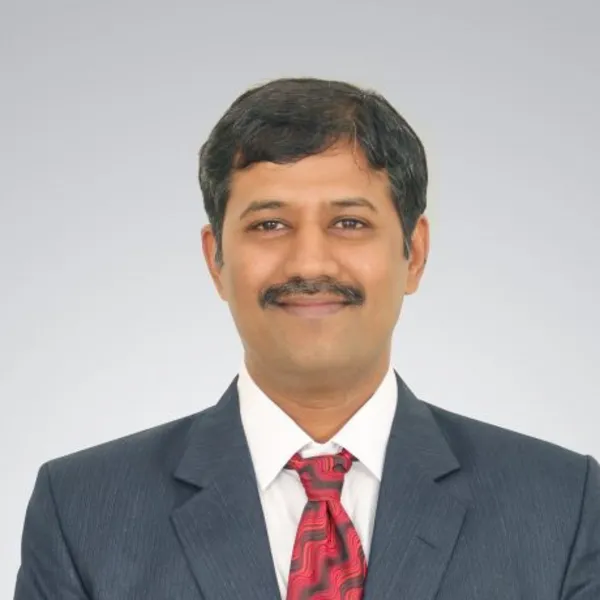
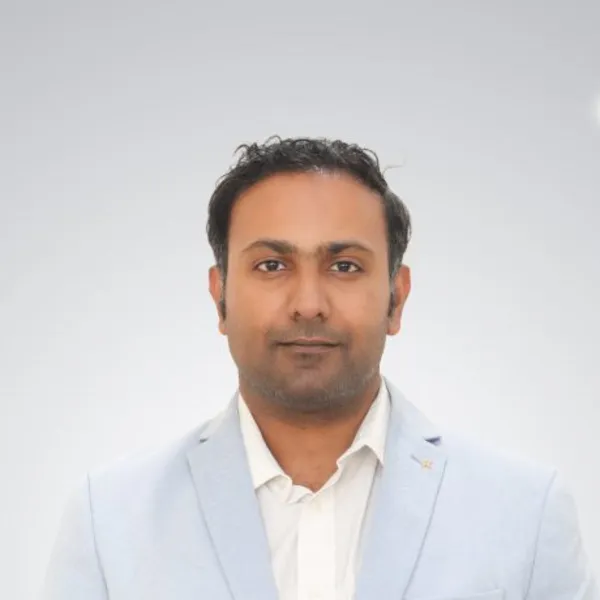
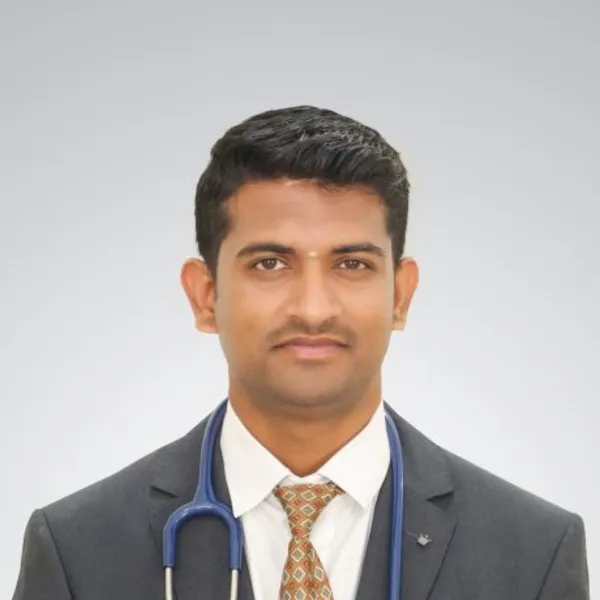
- Orthopaedics
Dr Sandeep Patil V
Associate Professor and Head, OrthopaedicsTrauma surgery, arthroscopy, Ilizarov surgery and joint replacement - Orthopaedics
Dr Gokul B S
Assistant Professor, OrthopaedicsAdvanced trauma, arthroscopy and pain management, with interests in joint replacement and endoscopic spine surgery - Orthopaedics
Dr Mahesh Sagar K
Assistant Professor, OrthopaedicsGeneral orthopaedics, with a special interest in foot and ankle surgery
Why SMSIMSR
Why choose SMSIMSR
NABH accredited hospital
Accredited by the National Accreditation Board for Hospitals and Healthcare Providers, certificate number PEH-2026-3255.
A teaching hospital
Our surgeons teach MS Orthopaedics trainees and publish their results, so care follows current evidence.
Tests, surgery and rehab on one campus
X-ray, CT, operation theatres, intensive care and physiotherapy in one place, so you are not sent elsewhere.
Care without discrimination
Every patient is treated with the same care, whatever their income, religion, caste or home state.
Close to North Bengaluru
About 25 km from Kempegowda International Airport and 7 km from Chikkaballapur town, away from city traffic.
Location
How to reach us
Patients come to our physiotherapy OPD from Chikkaballapur, Devanahalli, Yelahanka and North Bengaluru.
Emergency, 24x7
Fractures, dislocations and accident injuries: come straight to the emergency department or call.
+91 92402 62107Address
Department of Orthopaedics, Sri Madhusudan Sai Institute of Medical Sciences and Research, Sathya Sai Grama, Muddenahalli, Chikkaballapur, Karnataka - 562101
Get directions (opens Google Maps in a new tab)OPD timings
8 AM to 4 PM
Drive times to SMSIMSR, Muddenahalli
| From | Distance | By car |
|---|---|---|
| Chikkaballapur town | About 7 km | 10 to 15 minutes |
| Kempegowda International Airport | About 25 km | 30 to 40 minutes |
| Devanahalli | About 30 km | 35 to 45 minutes |
| Yelahanka | About 42 km | 50 to 60 minutes |
| Hebbal | About 52 km | About 1 hour 15 minutes |
| Central Bengaluru (Majestic) | About 60 km | 1 hour 30 minutes or more |
Approximate road distances. Travel time depends on traffic. Buses from Bengaluru to Chikkaballapur run via Hebbal, Yelahanka and Devanahalli.
Questions
Questions about physiotherapy
Is physiotherapy available at SMSIMSR?
Yes. SMSIMSR has a physiotherapy department for outpatients and for patients in the wards. It treats back and joint pain, sports injuries and recovery after surgery or a fracture. The OPD is open from 8 AM to 4 PM; call +91 92402 62107 or walk in.
What does a physiotherapist do?
A physiotherapist assesses how you move, then uses exercises, hands-on treatment and advice to reduce pain and restore strength and movement. They also teach you exercises to do at home, show you how to use a walking aid, and help you return safely to work, sport and daily life.
Do I need a doctor’s referral for physiotherapy?
After a fall or accident, or with severe or worsening pain, see an orthopaedic doctor first. If a doctor elsewhere has referred you, bring their letter, X-rays and scan reports to the first session.
How long is a physiotherapy session?
A session usually lasts 30 to 45 minutes, and the first one may take a little longer because it includes a full assessment. Allow extra time on the first visit for registration at the OPD counter.
How many physiotherapy sessions will I need?
It depends on the problem. A simple sprain or back strain may need only a few sessions plus home exercises. Recovery after knee replacement or ACL surgery takes weeks to months of regular sessions. Your physiotherapist will give you an estimate after the first assessment and review it as you improve.
How much does physiotherapy cost per session at SMSIMSR?
Physiotherapy during a hospital stay is part of the admission. For outpatient sessions, check whether your health insurance policy includes OPD cover; the insurance help desk on 82174 16049 can tell you.
Is physiotherapy painful?
It should not be sharply painful. Some exercises cause mild aching or muscle tiredness, especially after surgery, and this usually settles within a day. Tell your physiotherapist if pain is sharp, lasts into the next day or keeps you awake, so they can change the plan.
Can physiotherapy help back pain and sciatica?
Yes. Exercise is one of the most effective treatments for low back pain and is recommended by NICE. A physiotherapist teaches exercises that ease pain, strengthen the back and stop it coming back, plus advice on sitting, lifting and sleeping. Sudden leg weakness or bladder problems need emergency care instead.
When does physiotherapy start after knee replacement?
Usually the day after surgery. The physiotherapist helps you stand, walk a few steps with a frame and begin bending the knee. You learn stairs before going home, then continue with outpatient sessions and daily home exercises for the next two to three months.
What should I wear to physiotherapy?
Wear loose, comfortable clothes that let the physiotherapist see and move the area being treated: shorts or loose trousers for a knee or hip, and a loose top for a shoulder or neck. Wear flat shoes you can walk in and bring your reports and the medicines you take.
Last updated: 16 November 2026. Medical information on this page follows: NICE guidelines NG226 (osteoarthritis), NG59 (low back pain and sciatica) and CG124 (hip fracture); NHS patient information; AAOS OrthoInfo; Evans JT et al. The Lancet, 2019 (knee and hip implant survival); Grindem H et al. British Journal of Sports Medicine, 2016 (return to sport after ACL reconstruction). It does not replace a consultation with a doctor.