
Cardiothoracic and Vascular Surgery
Heart Valve Bank
SMSIMSR is establishing a Heart Valve Bank, directed by Dr C S Hiremath. It will preserve donated human heart valves for children and adults who need them.
Programme
About the programme
A heart valve bank collects human heart valves and blood vessels from donors, tests them for safety, and preserves them, often by freezing, until a patient needs one. These valves are called homografts or allografts.
Homografts are especially useful for children, because they come in small sizes, for rebuilding the path from the heart to the lungs in conditions such as Tetralogy of Fallot, and for patients with severe valve infection. They usually do not need lifelong blood thinners.
Who it is for
- Children needing reconstruction of the right ventricular outflow tract
- Patients with valve infection where a human valve is preferred
- Selected patients needing aortic or pulmonary valve replacement
How it works
Valves are matched by size and type to the patient’s needs. The surgeon implants the homograft during open heart surgery.
Why a valve bank matters
Valve banks are rare in India, and homografts can be hard to get. A valve bank on our own campus means that a child who needs a human valve does not have to wait for one to be found elsewhere.
How valve donation works
After treatment
Recovery is the same as for other valve surgery. See heart valve repair and replacement.
Doctors who perform heart Valve Bank
- Cardiothoracic and Vascular Surgery
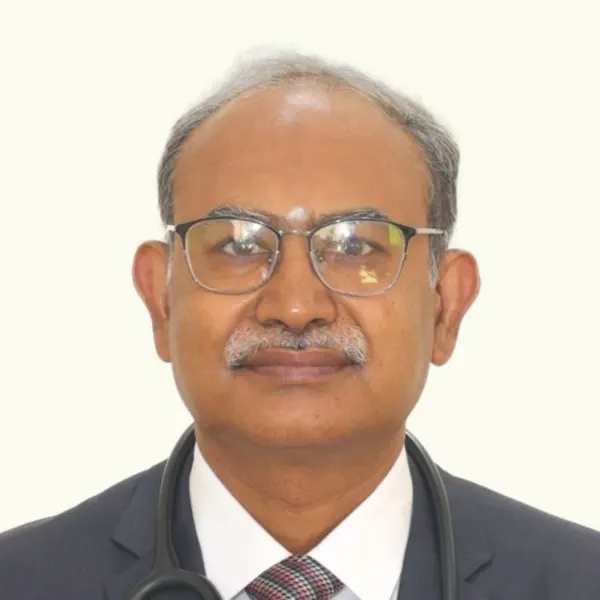
Dr Channabasavaraj S Hiremath
Senior Surgeon and Director, Heart Valve BankValve repair, congenital heart surgery, coronary and aortic surgery
Questions about heart Valve Bank
Is the valve bank open now?
Can I pledge to donate heart valves?
Heart valves can often be donated even when the heart itself cannot be used for transplant.
Who directs the valve bank?
Dr C S Hiremath, Senior Surgeon and Director, Heart Valve Bank and Academics (CTVS).
Centre for Cardiac Sciences