
Paediatric and Congenital Cardiology
Single Ventricle Palliative Surgery for Children
Some babies are born with only one pumping chamber that works well. They cannot have a normal two-sided heart made, but a series of operations can let them grow and live an active life
Treatment
What it is
A normal heart has two pumping chambers, called ventricles: one sends blood to the lungs, the other to the body. In single ventricle conditions, such as tricuspid atresia or some forms of double inlet ventricle, only one chamber is fully formed.
Palliative surgery does not create a second ventricle. Instead, it re-routes blood flow in stages, so that blue blood goes to the lungs directly and the single ventricle pumps only to the body. This greatly improves oxygen levels and the child’s quality of life.
Who needs it
- Babies and children with tricuspid atresia, double inlet ventricle, unbalanced AV canal or similar single ventricle hearts
- Children who had an earlier stage elsewhere and need the next operation
How it is done at SMSIMSR
Each stage is open heart surgery under general anaesthesia, planned by the paediatric cardiologist, surgeons and cardiac anaesthetist after echo, and often cath and CT studies.
The usual stages
Each child’s plan is different, but the stages often include: a shunt or band in the newborn period to control blood flow to the lungs; the Glenn operation, usually between four and twelve months, joining the vein from the upper body to the lung artery; and the Fontan operation, usually between three and five years, joining the vein from the lower body to the lung artery.
Recovery
Children usually stay in the paediatric cardiac ICU for several days after each stage, and in hospital for one to three weeks. They need lifelong follow-up with a cardiologist, regular medicines and careful attention to fevers and dehydration.
Doctors who perform single ventricle palliative surgery
- Cardiothoracic and Vascular Surgery
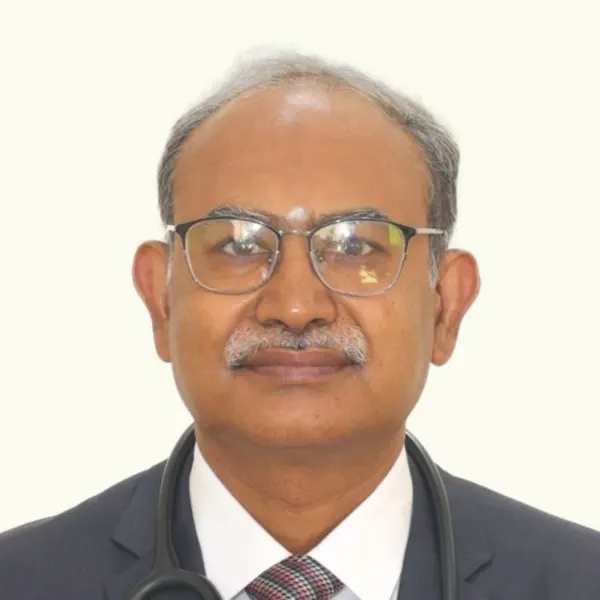
Dr Channabasavaraj S Hiremath
Senior Surgeon and Director, Heart Valve BankValve repair, congenital heart surgery, coronary and aortic surgery - Paediatric and Congenital Cardiology
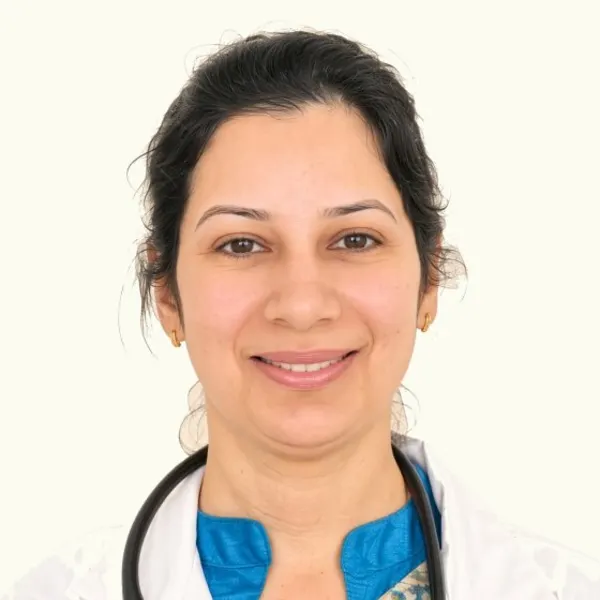
Dr Annie Arvind
Paediatric and Adult Congenital CardiologistCongenital heart disease, foetal echo and catheter treatment for children
Questions about single ventricle palliative surgery
Is this a cure?
No. Single ventricle surgery is not a cure, but it allows most children to grow, go to school and lead active lives. Lifelong follow-up is essential.
How many operations will my child need?
Usually two or three, spread over the first few years of life. Some children need extra procedures in the cath lab between stages.
What is the long-term outlook?
Outcomes have improved greatly. Your child’s surgeon and cardiologist will explain what to expect for your child’s specific heart.
Centre for Cardiac Sciences