
Cardiothoracic and Vascular Surgery
Video-Assisted Thoracoscopic Surgery (VATS)
VATS is keyhole surgery on the chest. Instead of a large cut, the surgeon works through two or three small openings using a camera. At SMSIMSR it is performed by our cardiothoracic surgeons
Treatment
What it is
In video-assisted thoracoscopic surgery, a thin camera called a thoracoscope is passed between the ribs. The surgeon watches a screen and uses long, slim instruments through other small cuts. Compared with open chest surgery, there is usually less pain, a shorter hospital stay and a faster return to normal life.
Who needs it
How it is done at SMSIMSR
VATS is done under general anaesthesia. One lung is gently deflated so the surgeon can see and work inside the chest. A chest drain is usually left for a short time after surgery.
Recovery
Most patients are up and walking the next day and go home within a few days, once the chest drain is removed. Breathing exercises help the lung recover.
Doctors who perform video-assisted thoracoscopic surgery (VATS)
- Cardiothoracic and Vascular Surgery
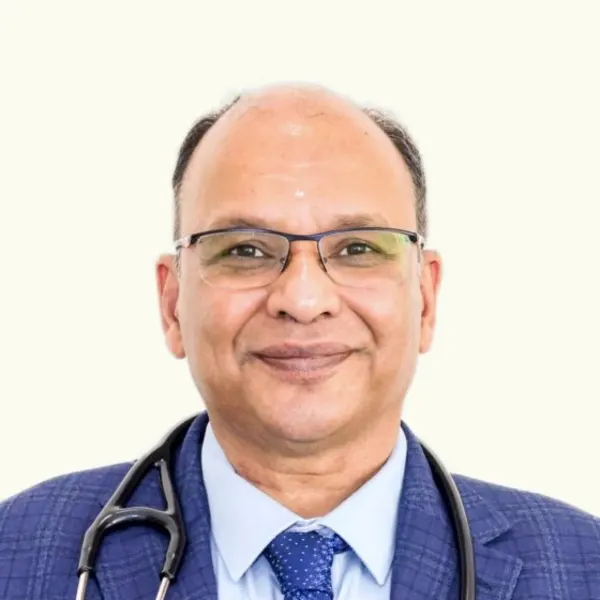
Dr Anand Kumar Agarwal
Senior Surgeon and Head of DepartmentBeating-heart bypass, valve surgery and minimal access heart surgery
Questions about video-assisted thoracoscopic surgery (VATS)
Will I have a big scar?
No. VATS uses two or three small cuts, usually a few centimetres each.
Can every chest operation be done by VATS?
No. Some conditions need open surgery for safety. Your surgeon will advise after reviewing your scans.
Centre for Cardiac Sciences